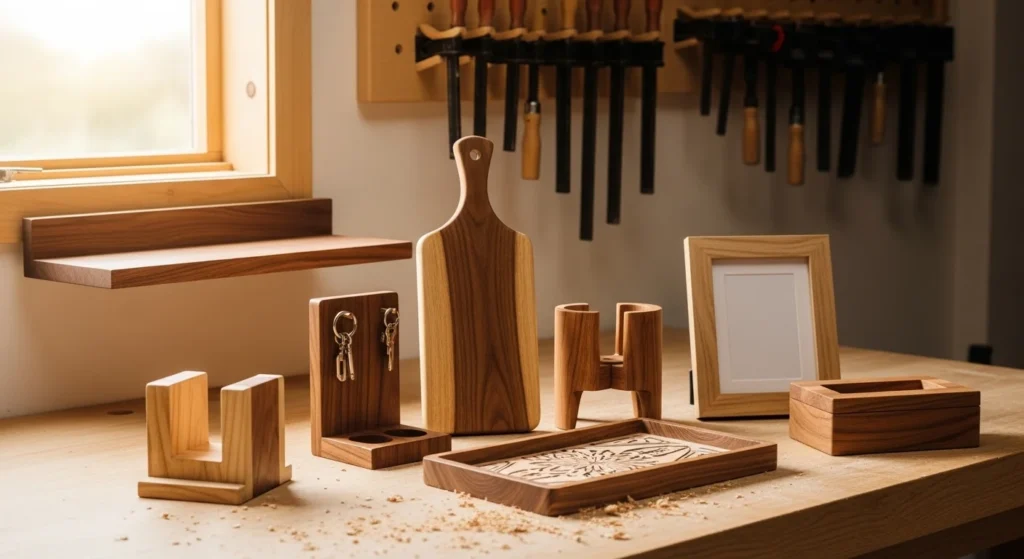
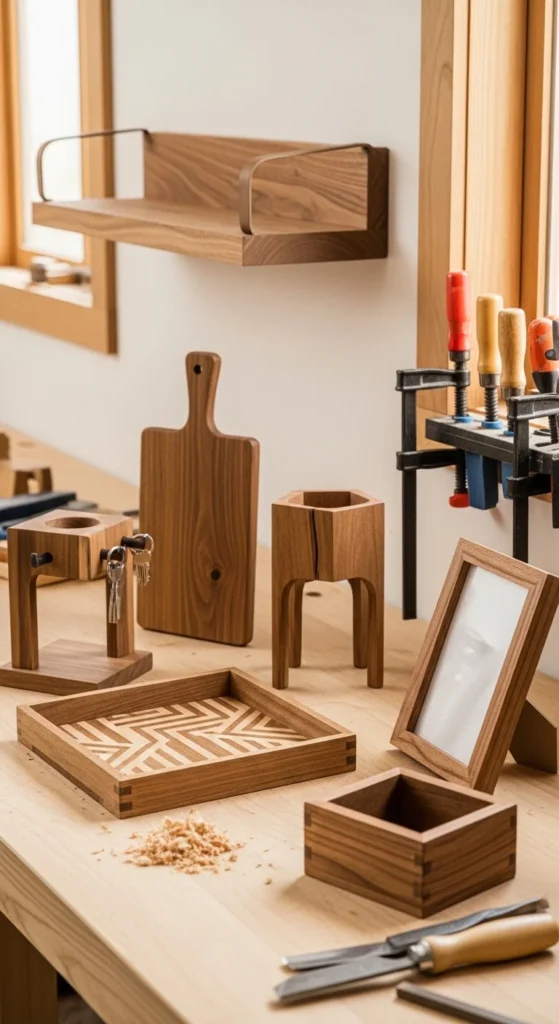
Quick wood projects are perfect for anyone who wants the satisfaction of building something useful without spending weeks in the garage. The most popular weekend builds tend to share the same traits: small size, clear purpose, basic joinery, and beginner-safe steps. That makes them ideal for new tool owners, scrap-wood users, and anyone working with a tight budget. A simple rack, tray, shelf, or organizer can teach measuring, cutting, sanding, assembly, and finishing in one short project. Better still, many of these ideas use common boards, offcuts, or low-cost lumber from a home center. The list below focuses on practical builds you can actually finish in a weekend, with enough variety for the kitchen, office, entryway, bedroom, and workshop.
1. Floating Wall Shelf
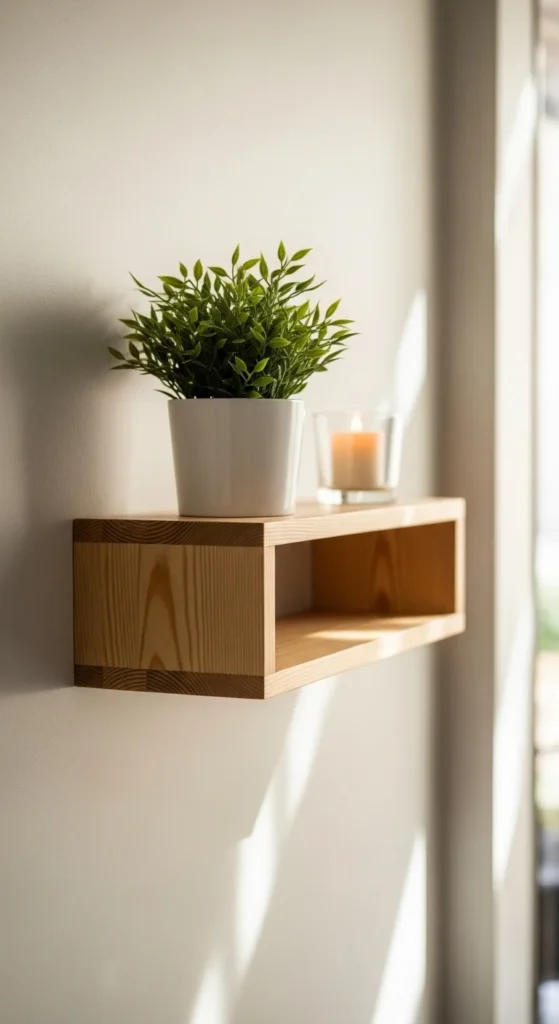
A floating shelf is one of the easiest ways to make a room look more finished while learning a few solid woodworking basics. You only need a small board, a clean cut, smooth sanding, and a simple mounting method. That makes it a great first weekend build.
Start with a shelf length that fits your wall and your comfort level. A short shelf is easier to keep level and easier to cut accurately. Sand the edges well, soften the corners slightly, and choose one simple finish. A light stain or clear coat is usually enough.
This project is useful in almost any room. Put one in an entryway for keys, in a bathroom for jars, or above a desk for a plant and notebook.
Budget tip: use one leftover pine board or an offcut from a larger build. Small shelves do not demand much lumber.
The best part is the result feels bigger than the work. You get visible progress in a single afternoon, and the shelf teaches measuring, straight cuts, sanding, and neat installation in one manageable project.
2. Countertop Spice Rack
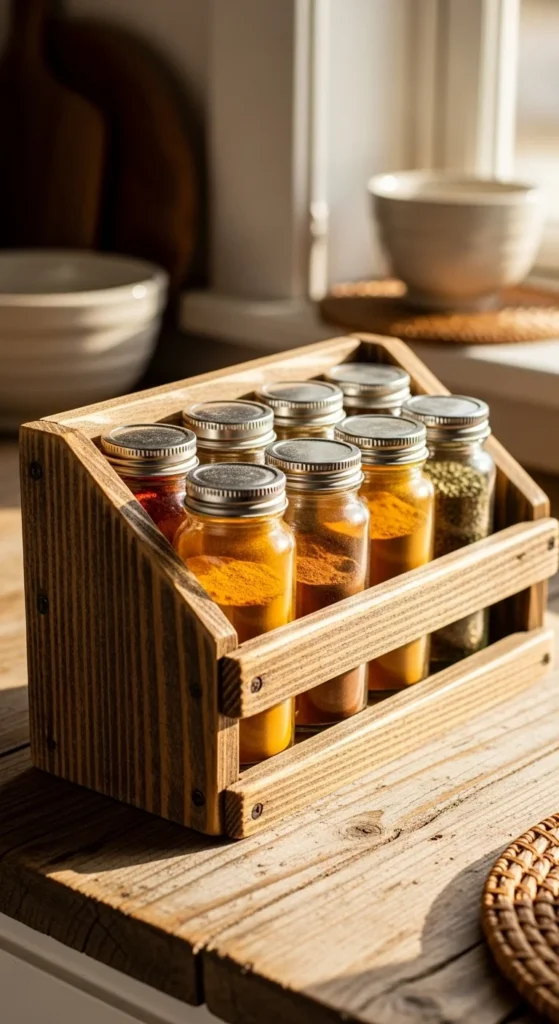
A spice rack is a quick kitchen project that looks good, clears clutter, and gives you a useful result right away. It is also simple to size around the jars you already own, so you do not have to follow a rigid plan.
The easiest version uses a back panel, two sides, a base, and one narrow front rail to stop jars from sliding forward. Keep the cuts square and the design plain. That helps the rack come together quickly and keeps the build within beginner range.
This project is perfect for scrap wood because the parts are small. A few leftover boards can become a rack that makes the whole kitchen feel more organized.
Budget tip: skip fancy trim and use a straight rectangular shape. A basic form often looks cleaner anyway.
A spice rack is a strong weekend build because it teaches layout, repeat cuts, sanding, and simple assembly. It also gives you instant daily use, which makes the effort feel worth it. If you want a slightly richer look, round the top corners and add a soft stain after sanding.
3. Simple Cutting Board
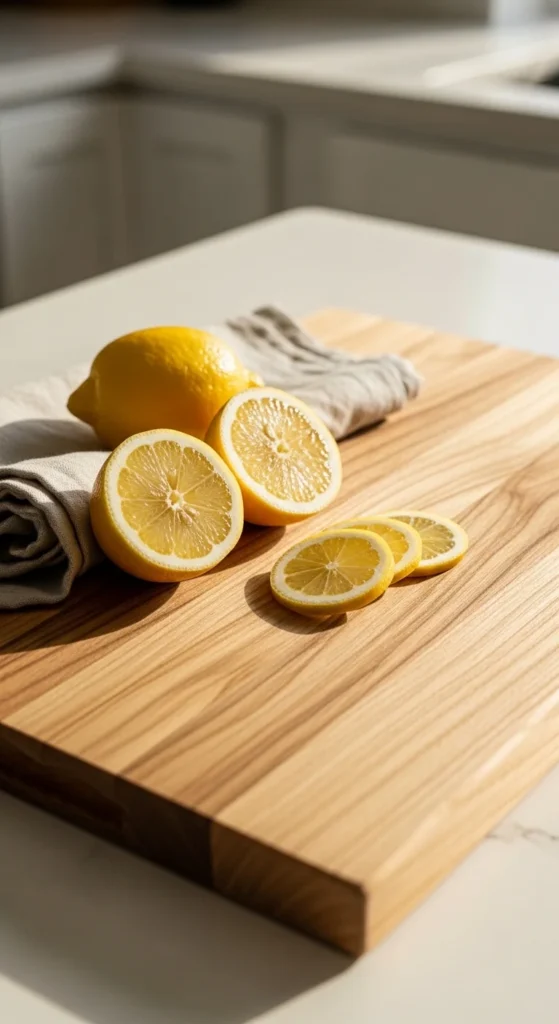
A cutting board is one of the best beginner wood projects because it is small, useful, and satisfying to finish. It also introduces careful sanding and edge shaping, which are skills that matter in many future builds.
For a quick weekend version, keep the design simple. Use one hardwood board or glue a few strips together if you want contrast. Then cut the final shape, round the edges, sand thoroughly, and apply a food-safe finish.
The trick here is patience with sanding. A board that feels smooth in the hand instantly looks more polished and gift-ready. Even a plain rectangle can look great when the edges are clean and the surface is well finished.
Budget tip: small hardwood offcuts often work well for this kind of project. Ask at a lumber yard or use leftover material from another build.
This project stands out because it teaches accuracy and finishing without complicated assembly. That makes it ideal for someone still building tool confidence. It also works as a housewarming gift, holiday gift, or personal kitchen upgrade, which gives the project extra value beyond the weekend.
4. Wooden Serving Tray
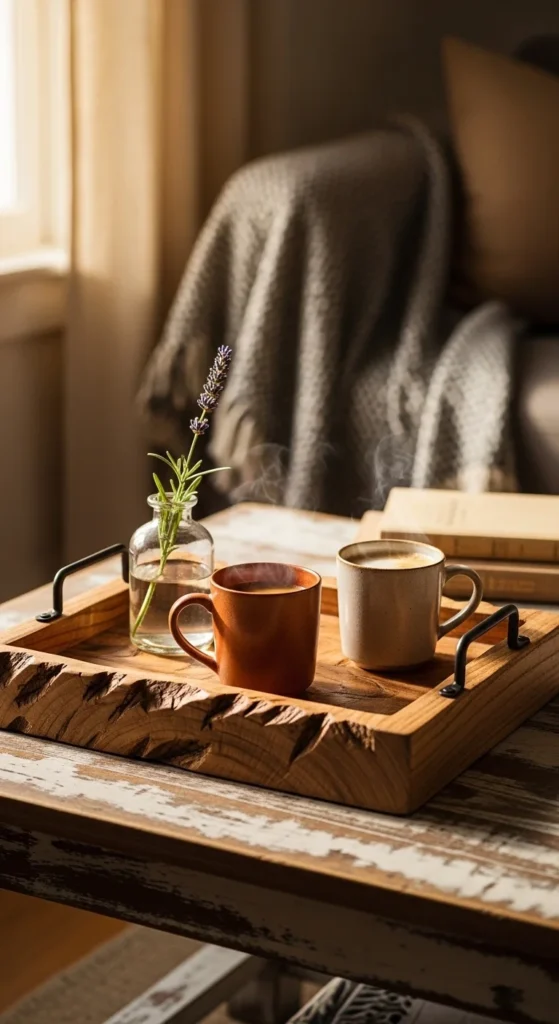
A serving tray is a practical weekend build that feels more refined than it is difficult. The structure is simple, but the finished piece looks gift-worthy and useful in both kitchen and living room spaces.
Use a flat base board and add low sides around it. You can keep the corners square for an easier build or soften them slightly after assembly. If you want handles, cut simple hand slots or attach basic pulls.
This project is a nice step up from a cutting board because it adds light assembly without becoming too demanding. You still get a small footprint and manageable material costs.
Budget tip: pine boards are enough for a tray, especially if the tray is for light serving or decor. Sand the edges carefully and use one clean finish so the tray looks intentional.
A tray is a strong weekend choice because it combines visible craftsmanship with everyday function. It can hold mugs, candles, books, snacks, or mail. That means even a basic design earns a place in the home instead of getting stored away after the project ends.
5. Desk Organizer
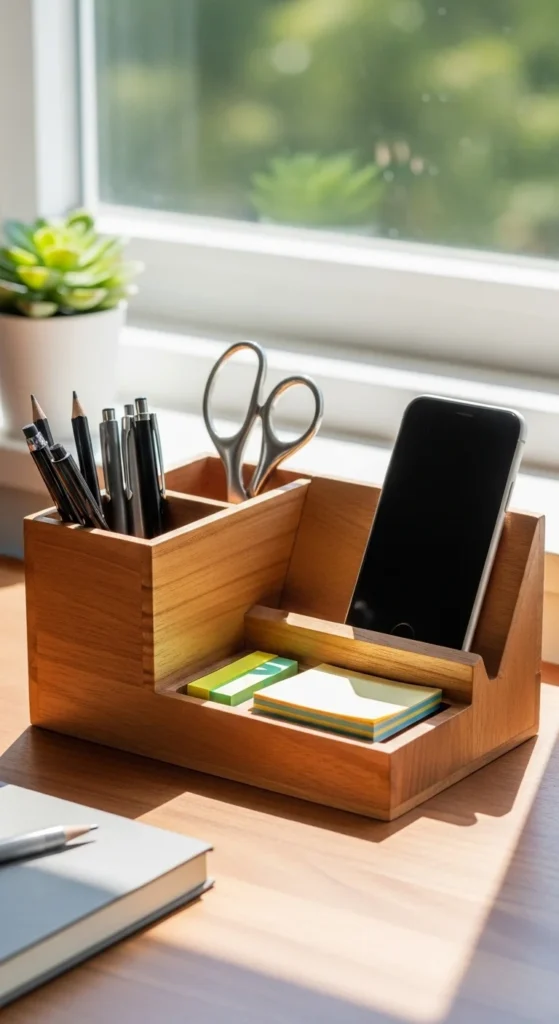
A desk organizer is one of the most useful small wood projects because it solves a daily problem and can be customized to fit exactly what you use. Pens, sticky notes, scissors, a phone, and paper clips can all have a place.
The easiest version is a box with dividers. Cut a base, four sides, and a few internal sections. Keep the compartments simple rather than trying to fit every possible item. A clean layout usually looks better and builds faster.
This project works especially well with scrap wood because the parts are small and forgiving. Even mixed wood tones can look good on a desktop piece if the finish is consistent.
Budget tip: make the organizer only as large as your desk really allows. Smaller projects use less wood and usually look tidier.
A desk organizer is a great weekend build because it teaches basic box assembly and layout planning. It also gives immediate payoff. The moment you place it on your desk, the workspace feels cleaner and more deliberate. That quick improvement makes the project especially satisfying for new woodworkers.
6. Entryway Key Holder
A key holder is small, quick, and genuinely helpful. It is also one of those projects that makes a home feel better organized with very little lumber and very little time.
The basic version is just a small backboard with a few hooks. A slightly better version adds a narrow shelf on top for sunglasses, mail, or a wallet. That tiny extra feature makes the project feel more complete without adding much difficulty.
Keep the design simple and focus on neat spacing between hooks. Straight alignment matters more than decorative details here. A clean key holder always looks more polished than an overdesigned one.
Budget tip: use one leftover board, sand it well, and attach inexpensive hooks from a hardware store. The wood part is easy, and the result feels custom.
This build teaches measuring for symmetry and making a wall piece that people actually use every day. That is what makes it such a good weekend project. You can finish it quickly, mount it the same day, and enjoy the payoff immediately each time you walk in the door.
7. Peg-Style Coat Rack
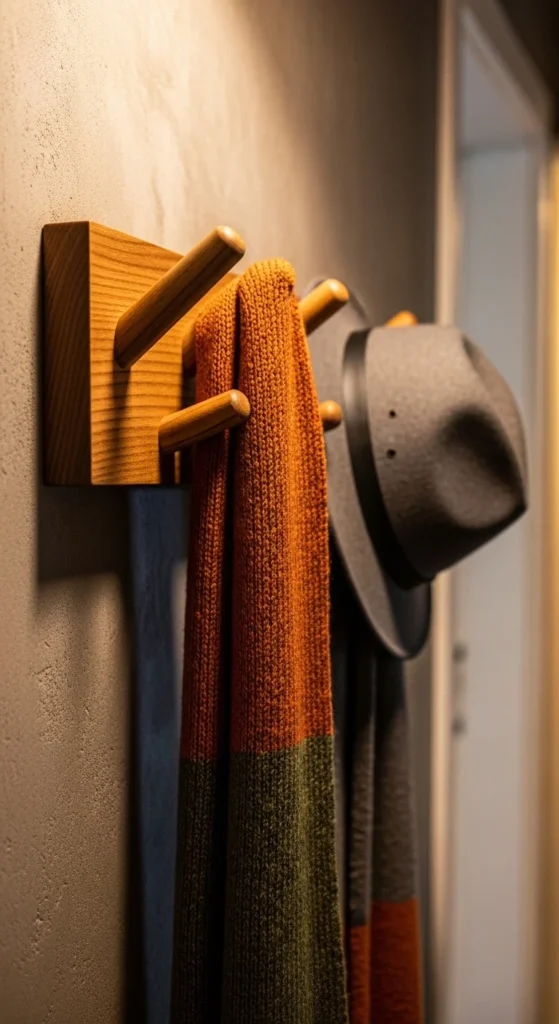
A peg rack is a classic small woodworking project because it combines a simple board with a practical use case. Coats, hats, bags, and scarves all need a home, and this build gives you one with very little complexity.
Use a straight backboard and install evenly spaced pegs or hooks. If you want a more handmade feel, shape the top corners a little or soften the front edges with sandpaper. That is often enough to make the piece feel finished.
This project is beginner-friendly because the cuts stay basic. The main challenge is neat spacing and level installation. That makes it a good confidence build for someone still learning accuracy.
Budget tip: if you already have a scrap board, the only items you may need to buy are the pegs or hooks. That keeps the total cost very low.
A coat rack works well as a weekend project because it offers practical value with very little material waste. It also fits many styles. Paint it for a bright entryway, stain it for a rustic look, or leave it natural for something simple and clean.
8. Compact Shoe Rack
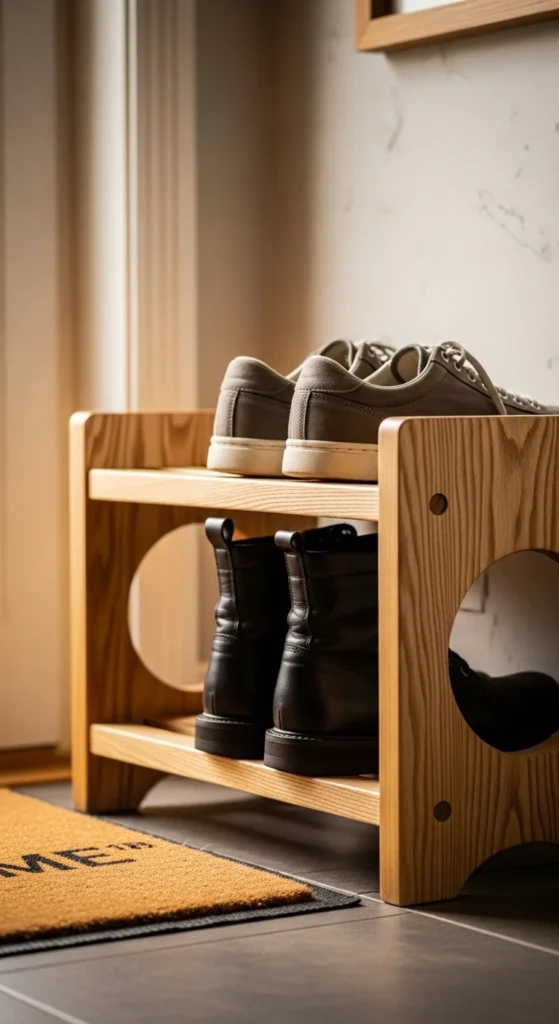
A compact shoe rack is a strong weekend build because it solves clutter quickly and does not require much lumber. Even a two-tier rack for everyday pairs can make a narrow entryway feel much cleaner.
The easiest design uses two side frames and a few horizontal slats. Keep the spacing practical rather than decorative. You want shoes to slide on and off easily, and you want the build to stay fast.
This is a good project for learning repeat cuts. Several pieces will be the same length, which makes layout easier and helps you practice consistency.
Budget tip: use construction lumber or leftover strips for the slats. A shoe rack does not need expensive hardwood to look nice and work well.
A small shoe rack stands out because it gives high everyday value from a very simple structure. It is one of those projects where the improvement shows immediately. The entry looks calmer, shoes stay off the floor, and the build itself remains manageable for a beginner working over a weekend.
9. Magazine Rack
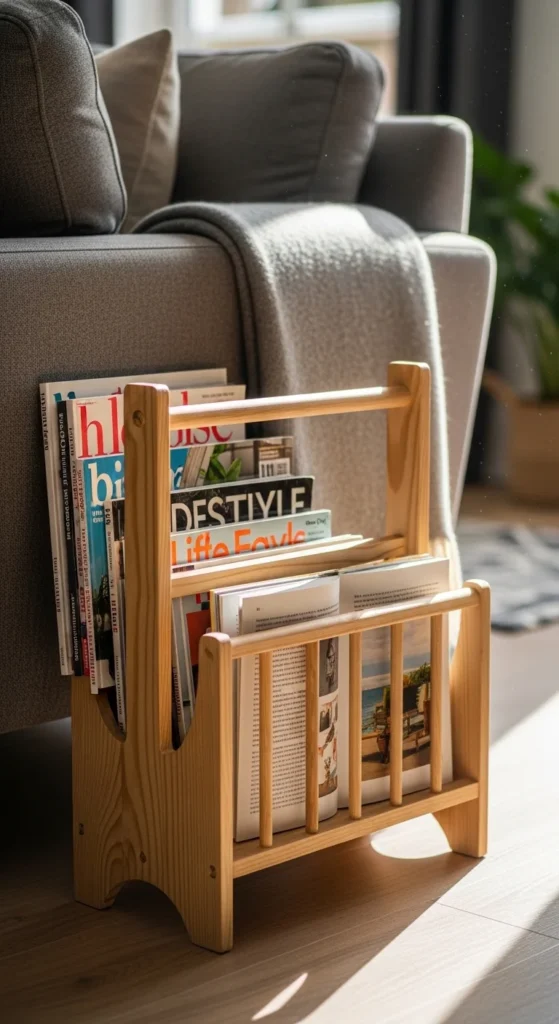
A magazine rack is a quick furniture-style project that still feels approachable. It works well in a living room, office, or reading corner and can be built with a few straight cuts and a simple frame.
You can make a box-style rack with open sides or a sling-style version if you want a softer look. For a fast weekend build, the box version is easier. A flat base, two sides, and a back panel are often enough to create something clean and useful.
This project teaches proportion. If the rack is too big, it feels bulky. If it is too narrow, it becomes awkward to use. That makes it a good practice piece for thinking beyond just cutting boards to size.
Budget tip: use plywood offcuts for the body and edge-band or sand the edges clean. That keeps costs down while still giving a tidy result.
A magazine rack is a good choice when you want a small furniture project without the stress of a big build. It looks more advanced than it is, and that makes it especially satisfying to complete in one weekend.
10. Half-Circle Accent Shelf
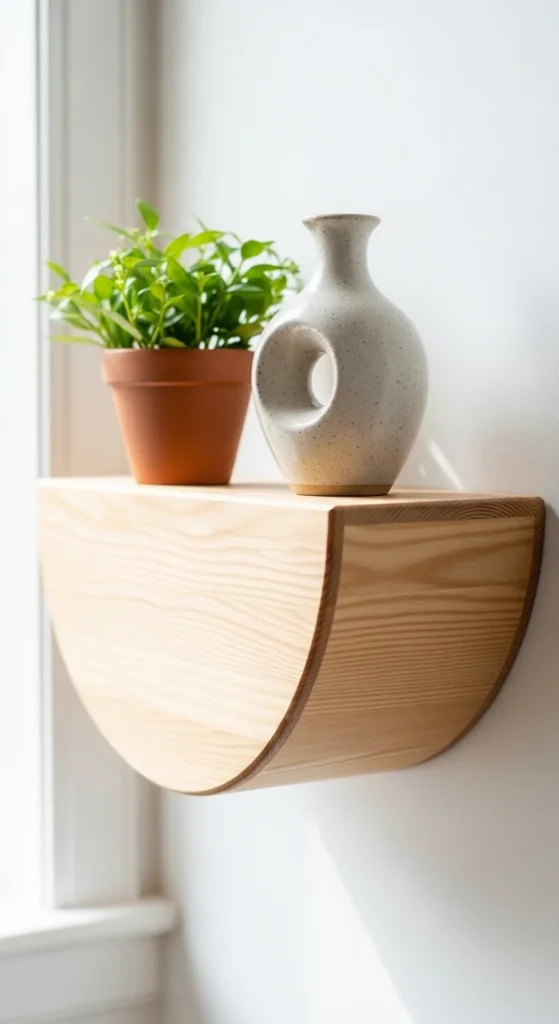
A half-circle shelf looks stylish, but the project is still small enough for a weekend. That makes it a fun choice if you want something decorative without taking on a large shelving build.
The shape is what gives this project its character. Use a curved front piece, a flat shelf base, and a back section that mounts to the wall. Keep the scale modest. Small accent shelves are easier to cut, easier to sand, and easier to hang.
This project is more about appearance than storage, so focus on clean edges and one simple finish. A natural wood tone or matte paint usually works well.
Budget tip: make a smaller version from plywood or offcuts. Accent shelves do not need large expensive boards.
This build stands out because it gives you a modern-looking wall piece with beginner-range materials. It is ideal for a plant, candle, or one small object. If you want a build that feels stylish yet still manageable in a weekend, this one is a smart pick.
11. Simple Picture Frame
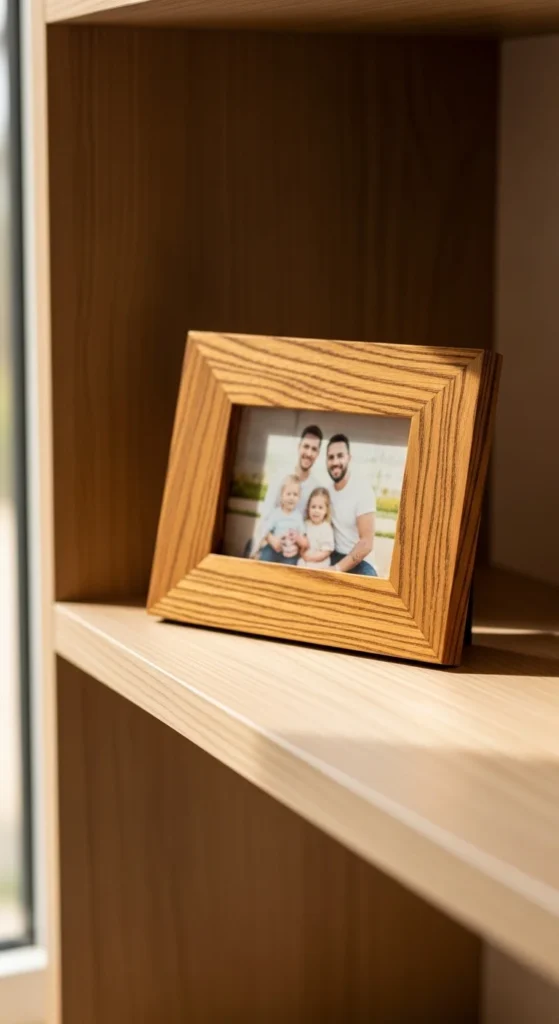
A picture frame is a low-material project with real learning value. It teaches clean cuts, careful measuring, and attention to detail, all without requiring a large board count or a huge work area.
You can build a basic square or rectangular frame with simple butt joints if you want the fastest route. If you want a more traditional look, try mitered corners, but keep the frame size small so the work stays manageable.
The beauty of this project is that it feels polished when finished well. A smooth surface, crisp corners, and a simple finish can make even a very plain frame look thoughtful.
Budget tip: use thin strips left over from shelving or tray projects. Frames are excellent for offcuts that are too small for larger builds.
A frame works well as a weekend project because it gives you precision practice in a small format. It is also easy to gift, easy to personalize, and easy to repeat once you have the first one figured out. That makes it one of the most practical “small but useful” woodworking builds.
12. Small Planter Box
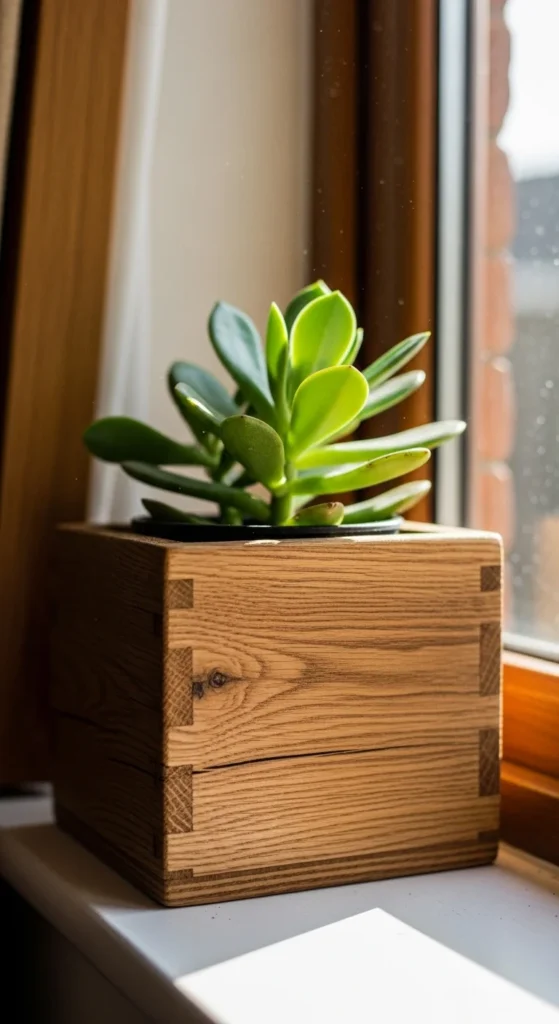
A planter box is a great beginner build because it is forgiving, attractive, and easy to size around the pot or plant you already have. It also works indoors or outdoors depending on the finish you choose.
The easiest version is a small rectangular box with four sides and a base. You can set a pot inside or line the box if you want to plant directly into it. Keep the dimensions compact so the cuts stay quick and the assembly stays simple.
This project looks especially good when the design is plain. Straight sides, clean sanding, and one coat of stain or paint are often enough.
Budget tip: planter boxes are perfect for scrap wood. Small slats and short boards can still become a very nice finished piece.
This build is satisfying because it pairs practical woodworking with a decorative result. Add a plant at the end, and the project instantly feels finished and gift-ready. That combination makes it one of the best quick builds for a weekend with limited time.
13. Mini Plant Stand
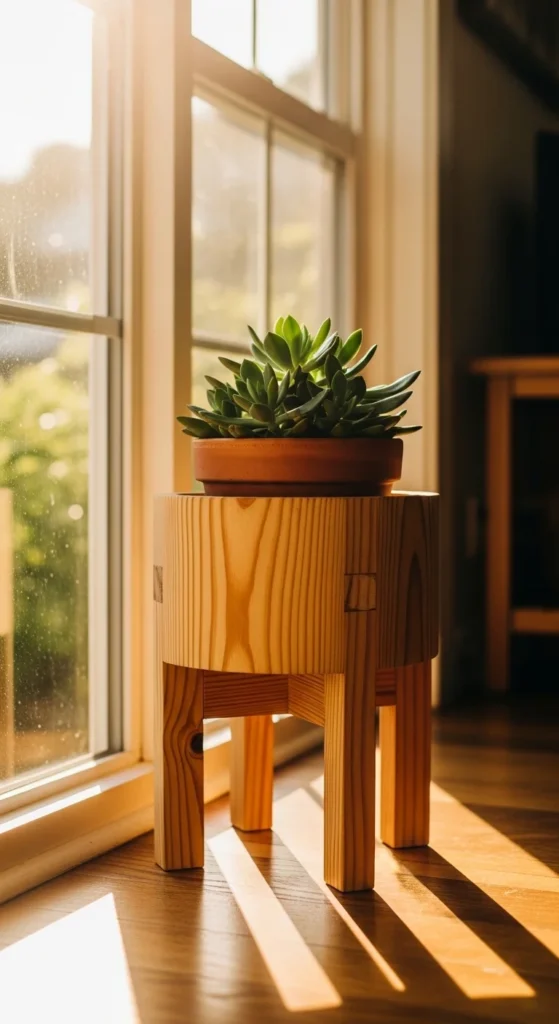
A mini plant stand is one of the easiest ways to make a room look more styled while staying inside beginner woodworking territory. The build is small, the joinery can stay simple, and the finished piece has real visual payoff.
You can make a low square stand or a slightly taller four-leg version. Keep the plant size in mind from the start so the stand feels balanced. A stand that is too tall for a tiny pot can look awkward, while one that is too wide may feel bulky.
Focus on stability. Even a simple design should sit flat and support the pot comfortably. That makes test fitting worth the extra few minutes.
Budget tip: use offcuts for the top and inexpensive pine strips for the legs. Small plant stands do not require much wood.
This project stands out because it combines decor value with a manageable build size. It also helps you practice making something with legs and a top surface without moving into full furniture scale. For a weekend project that looks great in a photo and even better in a room, a mini plant stand is hard to beat.
14. Wall-Mounted Plant Holder
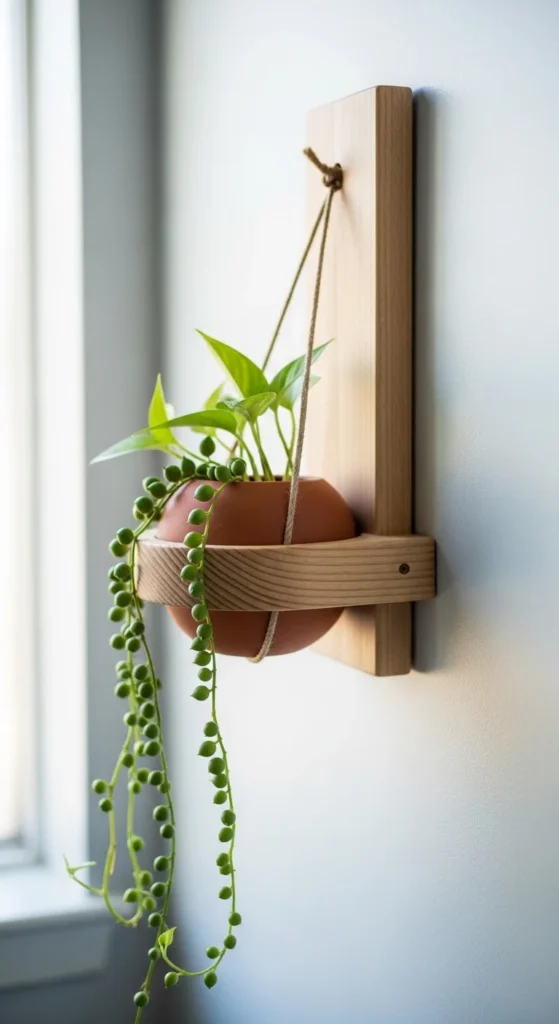
A wall-mounted plant holder is a smart project when you want to build something useful but do not have floor space for a stand. It is compact, decorative, and surprisingly simple.
The project can be as easy as a small backboard with a ring or ledge to hold a pot. Keep the shape clean and the weight light. That makes installation easier and keeps the build inside a beginner comfort zone.
This is a nice project for trying a slightly more decorative silhouette. A rounded top or curved bottom edge can add charm without making the work much harder.
Budget tip: use one small board and one hanging pot you already own. That keeps the build inexpensive and fast.
A wall plant holder stands out because it offers a useful vertical project that looks more custom than store-bought. It is especially good for kitchens, balconies, small apartments, or workspaces that need a little greenery without extra clutter on surfaces.
15. Blanket Ladder
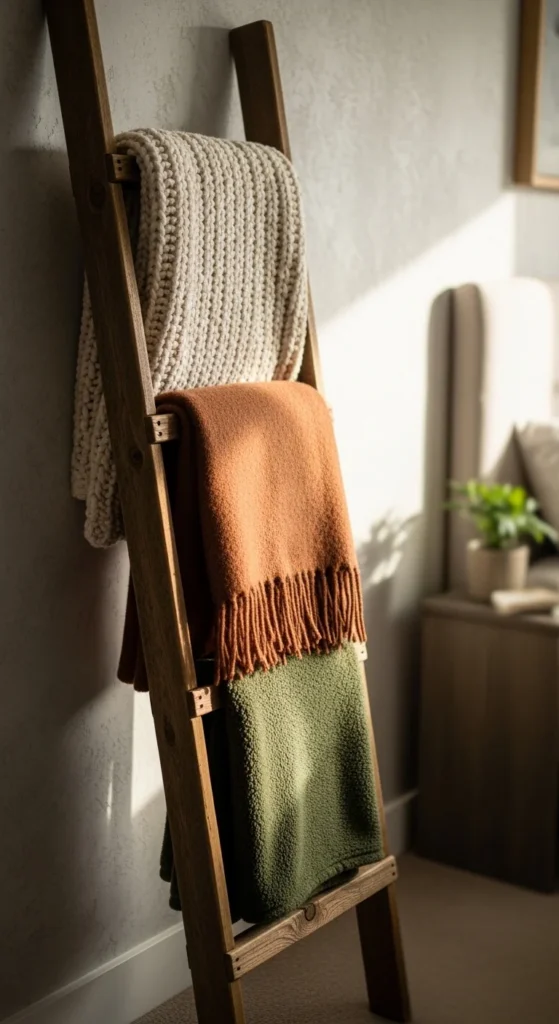
A blanket ladder is one of the most popular quick wood builds because it looks impressive while staying fairly simple. It uses repeated cuts, straightforward assembly, and a useful final form.
The design is basically two long side rails and several evenly spaced rungs. Keep the width practical for the blankets you own and the wall space available. A slightly leaning design gives the piece a relaxed look without requiring complicated joinery.
This project is a great choice when you want something taller than a shelf but still easier than full furniture. It teaches spacing, layout, and the value of keeping parts square.
Budget tip: standard dimensional lumber works well here, especially if you sand the edges clean and use one consistent finish.
A blanket ladder stands out because it gives decor impact without a huge material list. It works in bedrooms, living rooms, and guest spaces, and it is especially nice for homes that already use throws and quilts. For a weekend build, it has a strong “finished room” effect that feels bigger than the effort involved.
16. Simple Storage Crate
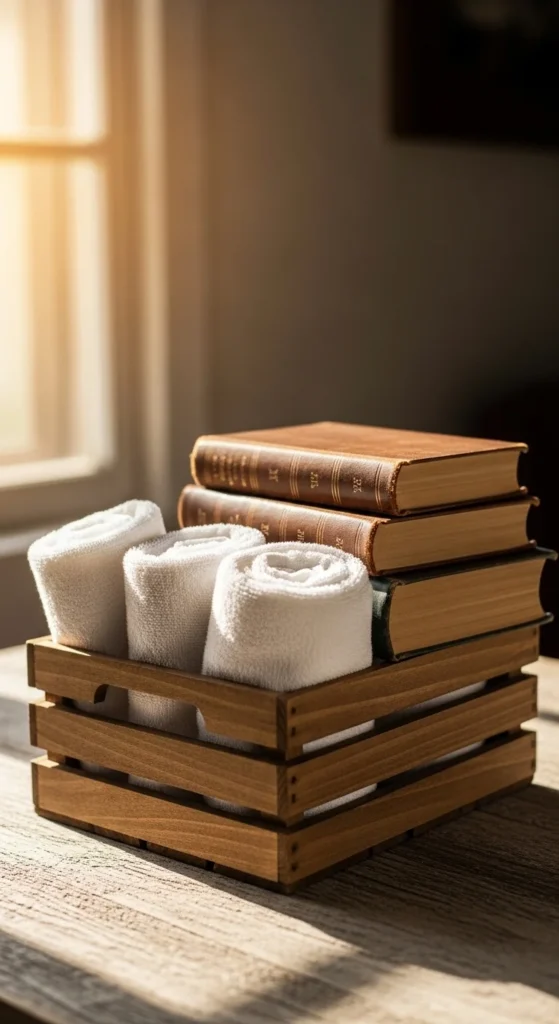
A storage crate is a perfect scrap-wood project because the shape is straightforward and the finished item is useful almost anywhere. Towels, toys, books, garden supplies, or pantry items can all live in a crate.
For a quick version, use a flat base and slatted sides. The slats make the piece look lighter, and they let you use shorter offcuts instead of large boards. If you want handles, cut hand slots in the end panels or leave open gaps between slats.
This project teaches basic assembly and repeat spacing without getting too technical. It is a strong confidence build because the result feels sturdy and useful.
Budget tip: crates are ideal for reclaimed wood or leftover lumber from larger projects. Slight variation in wood tone can even add character.
A crate stands out because it gives visible utility from very simple construction. It can stay raw for a workshop look, be painted for a kid’s room, or be stained for a more finished style. That flexibility makes it one of the best weekend projects for beginners.
17. Small Keepsake Box
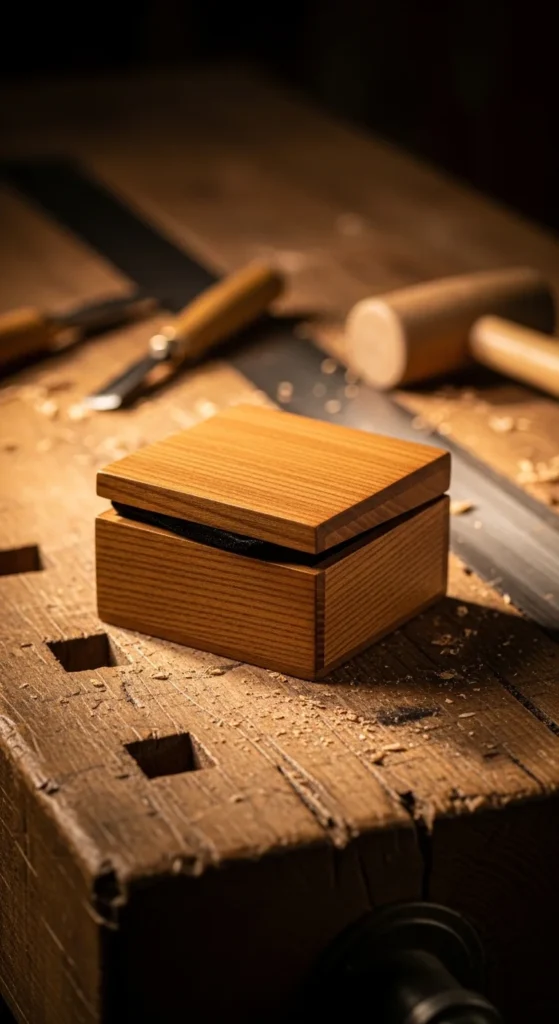
A keepsake box is a great project when you want to practice making something a little more refined without jumping into a large or complex build. The small scale keeps the material cost low and the mistakes manageable.
You can make a very basic box with butt joints and a simple hinged lid. The focus should be on neat cuts, clean sanding, and a well-fitting top. Those details matter more than a fancy design.
This project works beautifully as a gift. Jewelry, letters, watches, or small daily items can all fit inside. That makes the box feel meaningful instead of purely decorative.
Budget tip: use hardwood offcuts for the lid and softer wood for the body if you want a nicer appearance without buying full premium boards.
A keepsake box stands out because it teaches careful measuring and small-scale precision. It is a little slower than a shelf or tray, but still realistic for a weekend. When the lid closes cleanly and the finish feels smooth, the project gives a lot of satisfaction for its size.
18. Small Bottle Rack
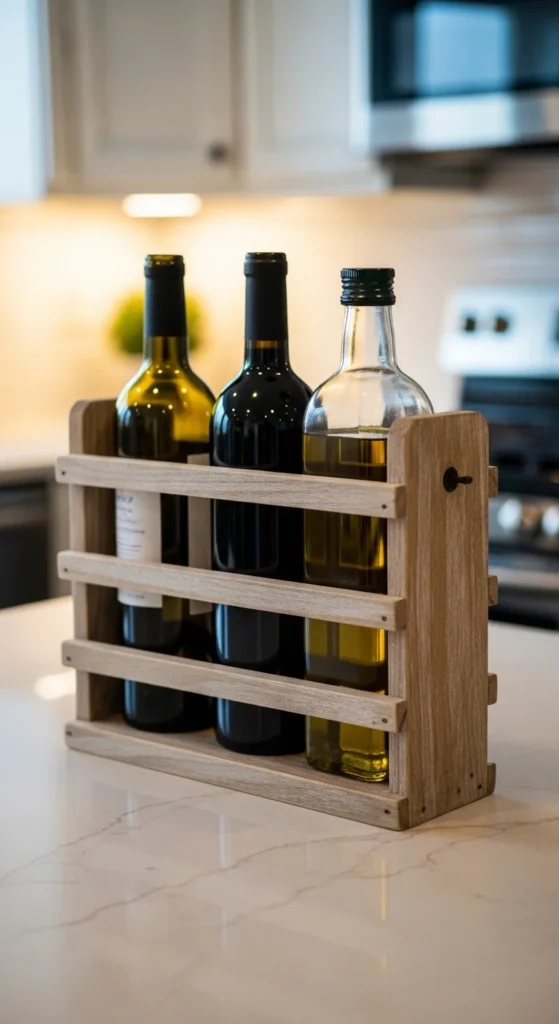
A small bottle rack is a fun gift-style build because it looks custom and useful without taking much wood. It works especially well for kitchen counters, dining areas, or gift giving.
The simplest version holds two or three bottles in a vertical or angled frame. Keep the layout basic and make the bottle openings or supports consistent. Clean spacing matters a lot here because uneven bottle positions stand out quickly.
This project is a nice step forward from flat builds because it asks you to think about shape, balance, and object size. That makes it a good weekend challenge without becoming too technical.
Budget tip: build a smaller rack instead of a full cabinet version. Less lumber, less cutting, and a better chance of finishing on time.
This project stands out because it delivers a polished gift-worthy result from a compact structure. It is especially good if you want something that looks handmade in a strong way but still remains practical and quick enough for a weekend schedule.
19. Mug Rack
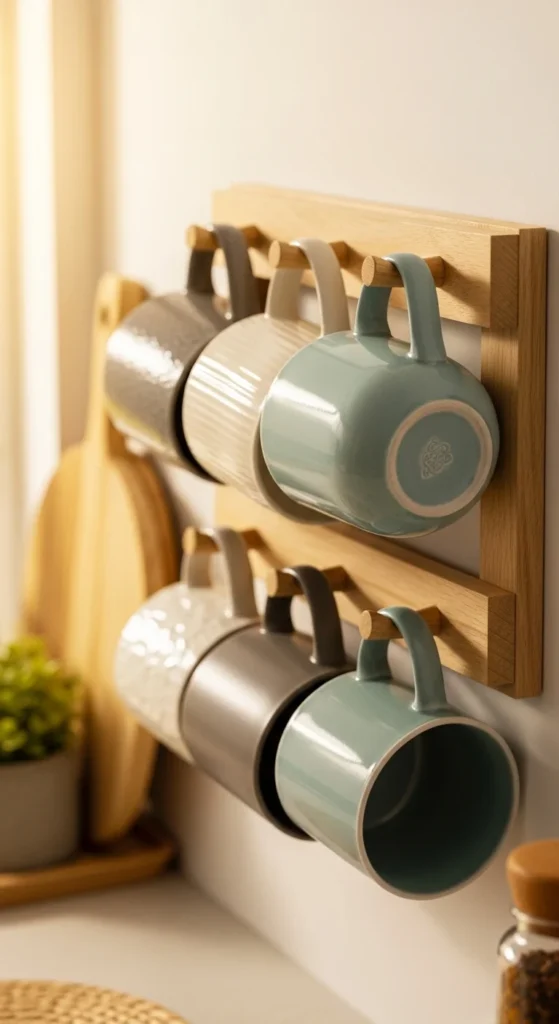
A mug rack is a quick kitchen project that adds storage and visual charm at the same time. It is a great weekend build because the structure is simple and the impact is immediate.
Start with a backboard and add evenly spaced hooks or pegs for the mugs. You can keep it purely functional or add a small top shelf for tea jars or decor. The simpler design usually works best for a fast build.
This project is beginner-friendly because most of the work lies in accurate spacing and smooth sanding. The assembly itself is straightforward.
Budget tip: a single board and a few hooks may be all you need. That makes this one of the cheapest practical wall builds on the list.
A mug rack stands out because it offers daily use plus decorative appeal. It makes a kitchen feel warmer and more organized, and it works especially well in small spaces where cabinet room is limited. As a weekend project, it is quick to build and satisfying to see in place right away.
20. Napkin Holder
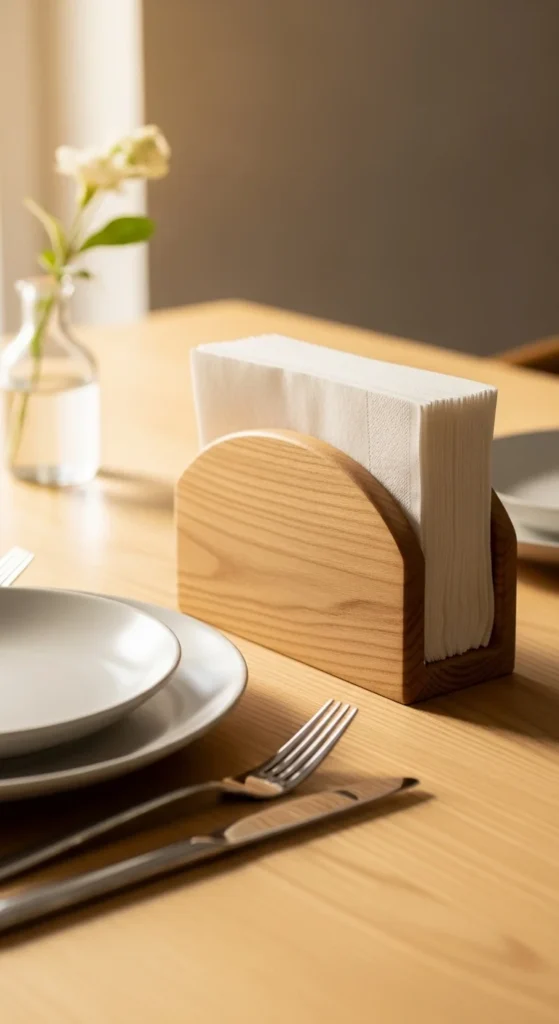
A napkin holder is a classic small woodworking project because it uses very little material, comes together quickly, and ends up being more useful than people expect.
The shape can be simple. A flat base with two upright sides is enough. If you want a slightly more decorative look, you can add a curved top edge or a small center handle. Keep it modest so the build stays quick.
This project is excellent for practicing clean edges and proportional design. Because the holder is small, every cut feels visible. That makes accuracy more noticeable, which is good practice.
Budget tip: use small hardwood or softwood offcuts. This is one of the best ways to use pieces that are too short for shelves or trays.
A napkin holder stands out because it gives real household use from a very tiny project. It is also a good gift item, especially when paired with cloth napkins or a serving tray. If you want a weekend build that is easy to finish and easy to feel proud of, this one works well.
21. Salt Cellar
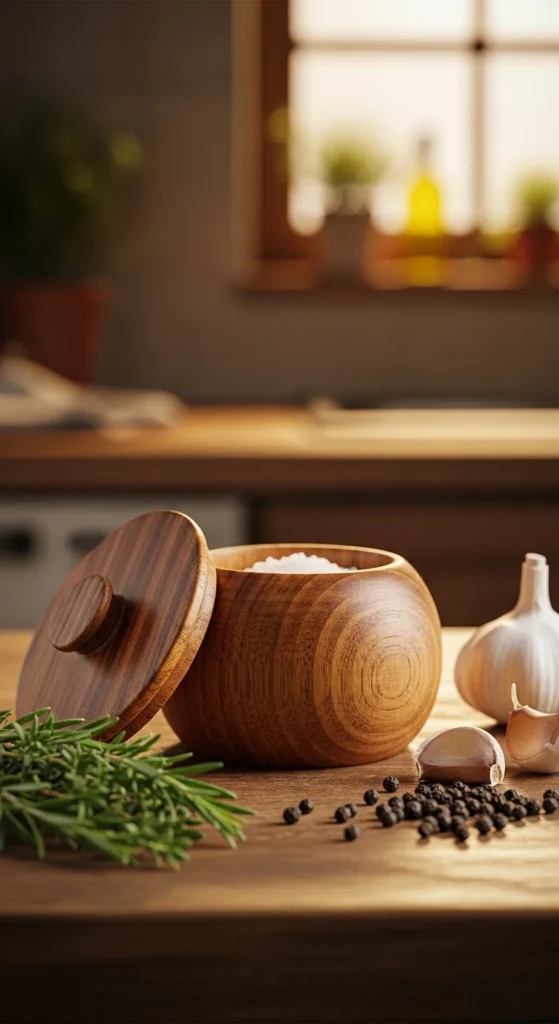
A salt cellar is a small kitchen project that feels refined without demanding a huge amount of time or lumber. It is ideal if you want a build that fits on a single bench corner and can be finished in one weekend.
The project can be as simple as a small round or square container with an open top or a slide lid. Focus on smooth interior surfaces and edges that feel nice in the hand. Because the piece is handled often, touch matters here.
This project is a strong choice for practicing careful sanding and small-part accuracy. It is also a good entry point into tiny containers before making larger boxes.
Budget tip: one hardwood offcut is often enough. That makes this a smart use of nicer wood pieces that are too short for bigger projects.
A salt cellar stands out because it combines small scale with everyday usefulness. It looks good on a kitchen counter, works well as a gift, and helps you build confidence in making more detailed items without committing to a large project.
22. Pizza Peel
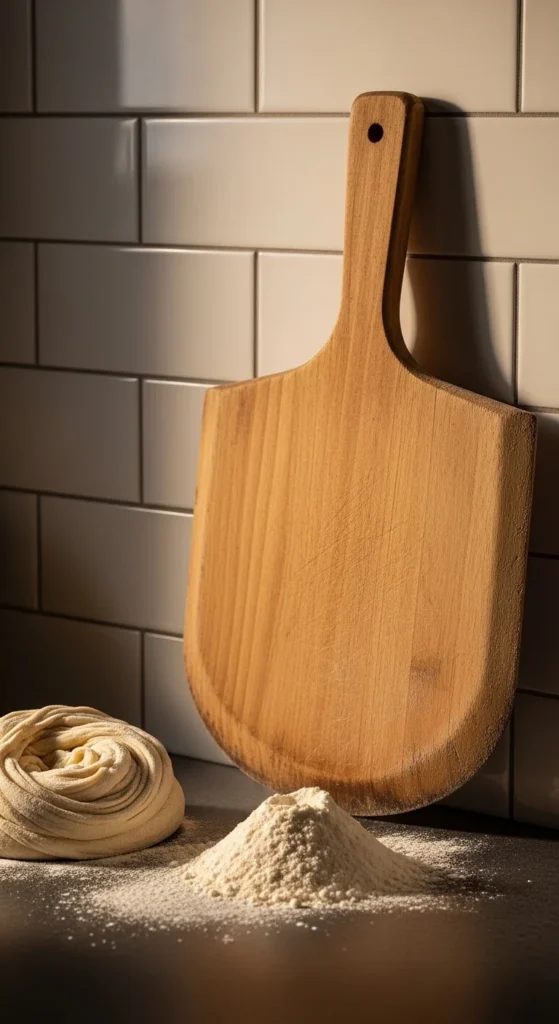
A pizza peel is a fun project because it has a clear shape, a clear purpose, and a finished result that feels impressive without being structurally complex. It is basically a shaped board with a handle, which keeps the weekend workload reasonable.
Choose a hardwood board if possible and sketch a simple profile. The handle can stay plain or include a hanging hole near the end. The most important part is smooth sanding. The broad face and handle should both feel comfortable to touch.
This project is excellent for practicing layout and gentle shaping. It is also more interesting visually than a standard cutting board, which makes it satisfying to build.
Budget tip: a narrow hardwood board or glued panel offcut can be enough for a smaller peel meant for serving rather than oven use.
A pizza peel stands out because it delivers gift-level visual appeal from a simple board project. It can hang in the kitchen when not in use, which adds decorative value too. For a weekend build, it feels substantial without becoming complicated.
23. Kitchen Utensil Holder
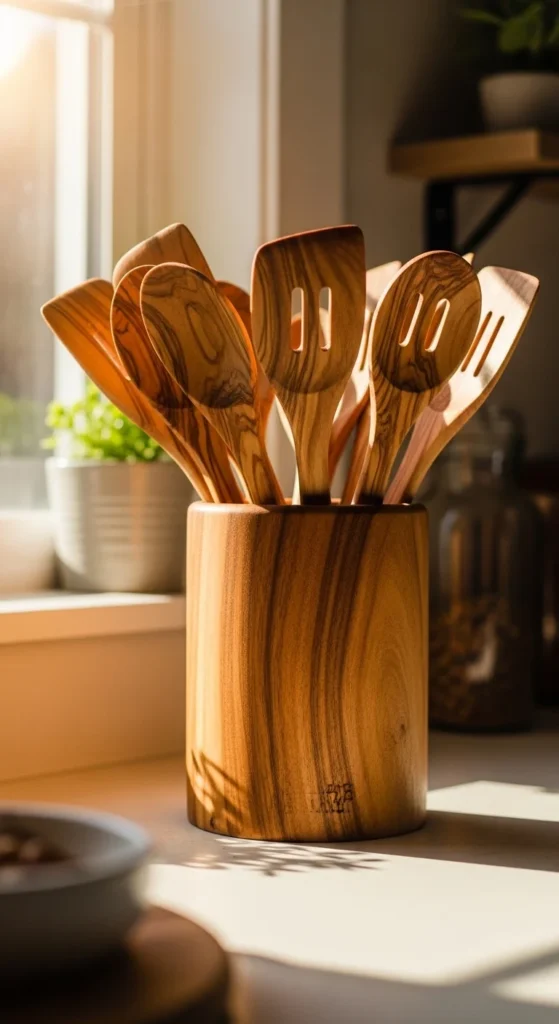
A utensil holder is one of the most practical small wood projects because it keeps daily tools in one place and adds warmth to a kitchen. It also makes good use of short boards and offcuts.
The easiest version is a simple open-top box tall enough to hold spatulas and wooden spoons. Keep the walls straight, the base solid, and the finish kitchen-friendly. If you want extra style, add a front label plate or soften the top edges.
This project is beginner-safe because it keeps the cuts repetitive and the joinery basic. The main goal is a clean square shape that sits flat and looks tidy.
Budget tip: use inexpensive wood and focus your effort on sanding and finishing. That is usually what makes a utensil holder feel polished.
This build stands out because it offers real everyday function from a very small footprint. It is also an easy gift for home cooks, new homeowners, or anyone who likes a more organized counter. As a weekend project, it is quick, useful, and satisfying.
24. Shelf With Hooks
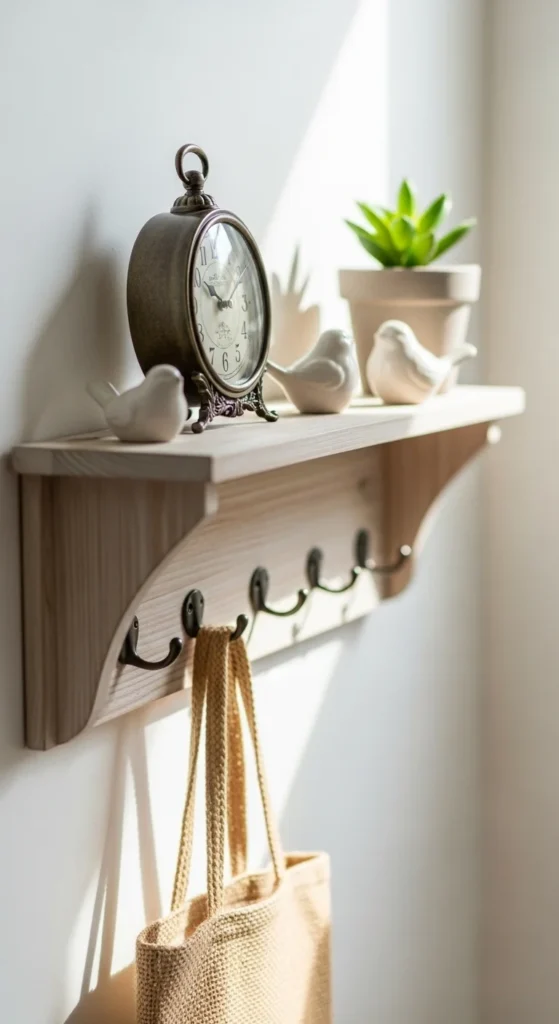
A shelf with hooks is a smart hybrid project because it combines storage and hanging space in one compact build. That makes it especially useful for entryways, mudrooms, kitchens, or bathrooms.
The build is basically a narrow shelf attached above a hook rail. Keep the shelf depth modest so it does not stick out too far. A small lip on the top can help hold mail, sunglasses, or small jars if needed.
This project teaches layout in a very practical way. You are not just making one flat board. You are thinking about how people will actually use the piece.
Budget tip: use one longer board for the back and cut the smaller parts from offcuts. That keeps both cost and waste down.
A shelf with hooks stands out because it gives two kinds of storage from one easy weekend build. It also feels custom, since you can decide the number of hooks, the shelf length, and the finish. That kind of adaptability makes it one of the strongest practical projects on the list.
25. Simple Wood Sign
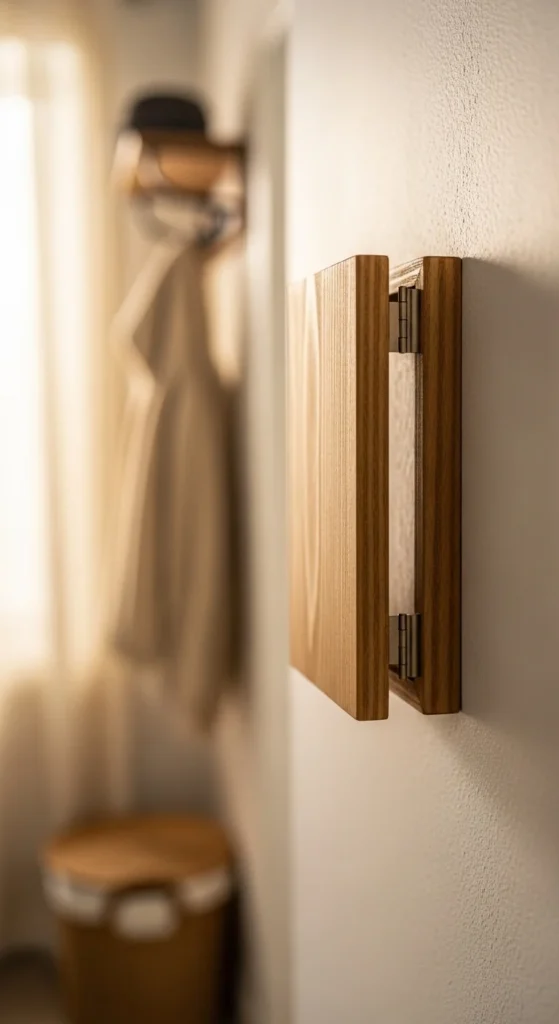
A wood sign is a good project when you want something small, quick, and mostly focused on surface finish rather than structure. It is also an easy way to use reclaimed wood or one attractive offcut.
You can keep the sign plain with one painted word, house number, family name, or simple shape. If lettering feels stressful, use stencils or a minimal design like stripes, a wreath outline, or one symbol. The board itself does most of the work.
This project is useful for practicing sanding, edge cleanup, and finishing. It is also a nice break from assembly-heavy projects.
Budget tip: use pallet boards, fence offcuts, or leftover shelving material. Signs are one of the best reclaimed-wood builds because small imperfections often add character.
A wood sign stands out because it is easy to personalize and easy to finish in one session. It works well as a gift, porch accent, workshop sign, or kitchen piece. If you want a quick woodworking project that still gives you room for a little creativity, this one is ideal.
26. Small Desk Clock

A desk clock is a fun weekend project because it mixes a simple wood build with one purchased hardware element. That makes the result feel a little more finished and gift-like without adding a lot of woodworking difficulty.
Start with a round, square, or slightly arched wood face. Drill the center hole for the clock mechanism, sand the shape carefully, and choose one finish. Keep the face simple. Numbers, dots, or even a clean blank face can look great.
This project is ideal for someone who wants a quick build that feels more decorative than structural. It is also small enough to manage easily on a crowded workbench.
Budget tip: clock kits are often inexpensive, and the wood face can come from an offcut. That keeps the total cost quite low.
A desk clock stands out because it gives a polished finished object from a very small amount of woodwork. It is great for desks, shelves, dorm rooms, and gifts. As a weekend project, it feels different from the usual rack or shelf, which makes it especially enjoyable.
27. Reclaimed Wood Catchall Tray
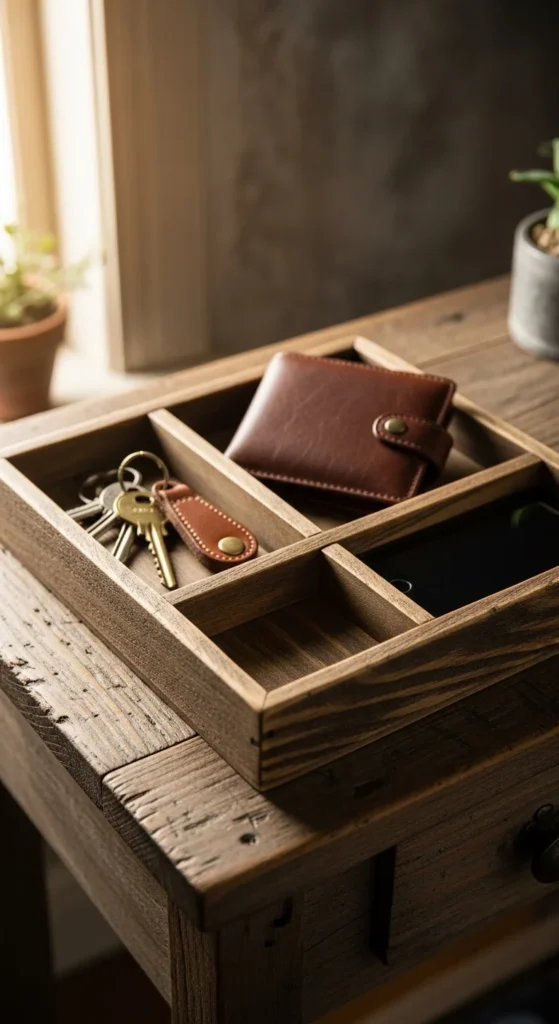
A catchall tray is one of the best reclaimed-wood projects because the build stays simple while the worn material adds instant character. Keys, coins, a wallet, a phone, or a watch all fit naturally into a tray like this.
Use a flat base and low sides. You can divide the tray into small sections if you want more function, but even a plain open tray works very well. The key is smooth sanding on all touch points, especially if the wood started rough.
This project is a strong scrap build because the sides can come from narrow offcuts and the base can come from almost any flat leftover board.
Budget tip: reclaimed wood works beautifully here. Minor marks and old nail holes can make the tray feel more interesting rather than less finished.
A catchall tray stands out because it offers high everyday use from a very approachable build. It works in entryways, bedrooms, and offices, and it is an excellent first reclaimed-wood project. For a weekend build, it delivers quick satisfaction, useful function, and plenty of room for your own style.
Conclusion
Quick wood projects work best when they stay small, useful, and realistic for your current skill level. Shelves, racks, boxes, trays, holders, planters, and simple decor pieces all offer a strong mix of learning and payoff. They help you practice measuring, cutting, sanding, assembly, and finishing without committing to a massive build. They also make great gifts, tidy up real spaces, and give scrap wood a purpose. Pick one project that solves a problem in your home, keep the design plain, and focus on clean cuts plus a neat finish. A weekend is more than enough time to make something you will actually use.

DiyVisual is a DIY ideas resource for makers of every level. Our small editorial team researches and curates easy, budget-friendly craft, home decor, and handmade gift projects — explained step by step so anyone can recreate them at home with simple materials.