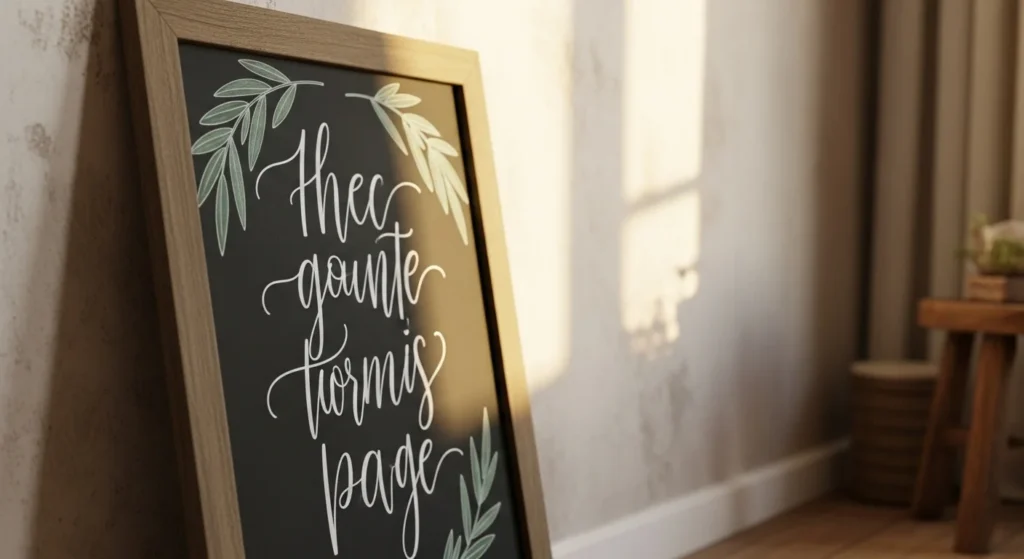
Chalkboard art looks charming, creative, and effortlessly stylish—but it can feel intimidating if you don’t think of yourself as “artistic.” Here’s the secret: most chalkboard art isn’t about drawing skills at all. It’s about layouts, simple shapes, and smart shortcuts. With the right approach, anyone can create chalkboard art that looks polished and Pinterest-worthy.
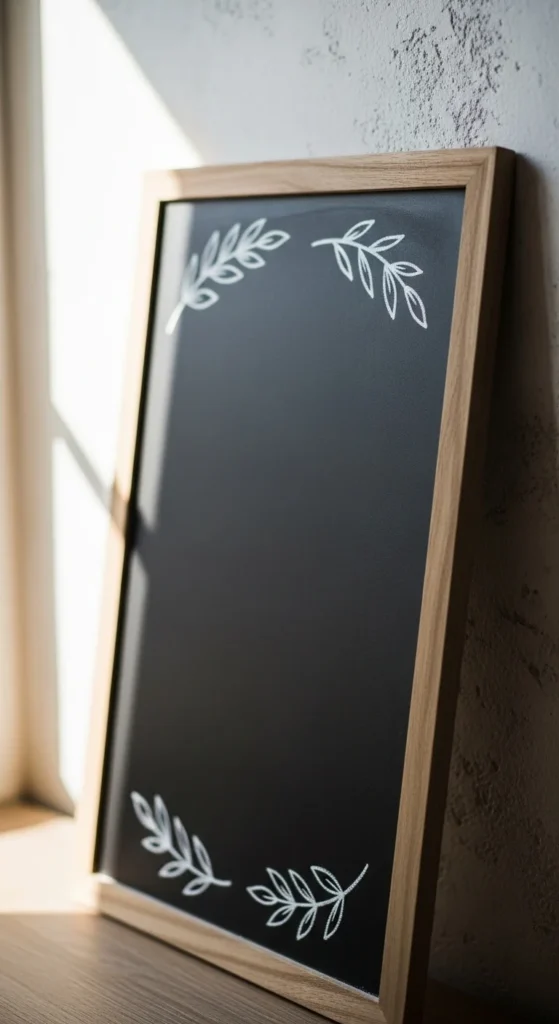
Let’s break it down into easy, no-pressure steps you can actually enjoy.
Start With the Right Chalkboard Surface
A smooth surface makes everything easier. Rough boards grab chalk unevenly and make lines look messy.
Good options include:
- Store-bought chalkboards
- Chalkboard-painted frames
- Small tabletop chalkboards
Before starting, wipe the surface clean and lightly condition it by rubbing chalk over the board and wiping it off. This helps prevent ghosting later.
Use Chalk Markers Instead of Chalk
This is the biggest game-changer. Chalk markers give you clean, consistent lines—no dusty smudges and no shaky strokes.
Why chalk markers help:
- Smoother lines
- More control
- Easier to read lettering
They’re perfect for beginners and instantly make your art look more professional.
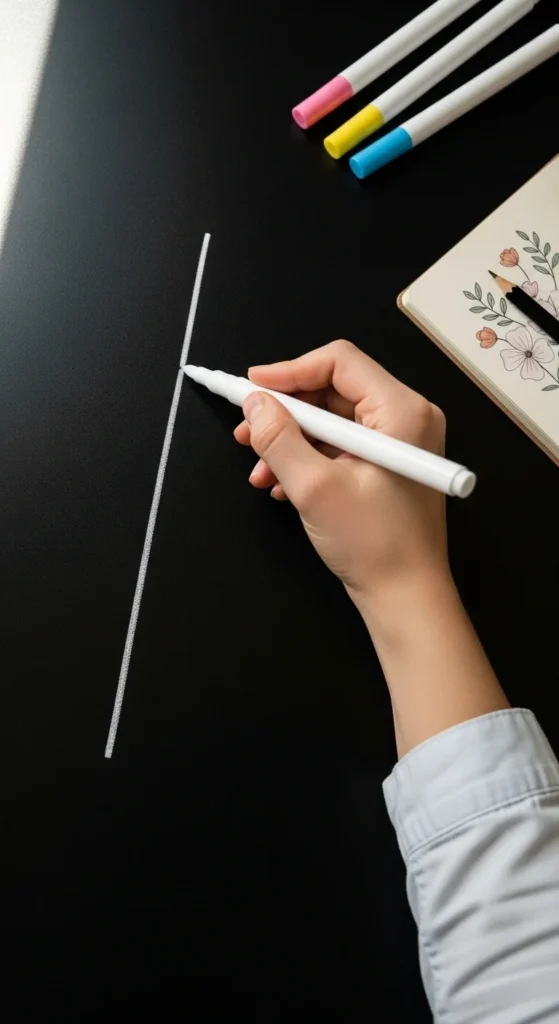
Trace Instead of Drawing Freehand
You don’t need to invent designs from scratch. Tracing is completely fair game.
Easy tracing methods:
- Print a design and trace using a light source
- Use carbon paper
- Lightly sketch with pencil first
This removes pressure and lets you focus on placement instead of perfection.
Stick to Simple Lettering Styles
Fancy lettering looks great, but simple styles look better on chalkboards—especially for beginners.
Easy lettering ideas:
- Block letters
- Uppercase words
- Simple script for one or two words
Spacing matters more than style. Even basic letters look great when evenly spaced.
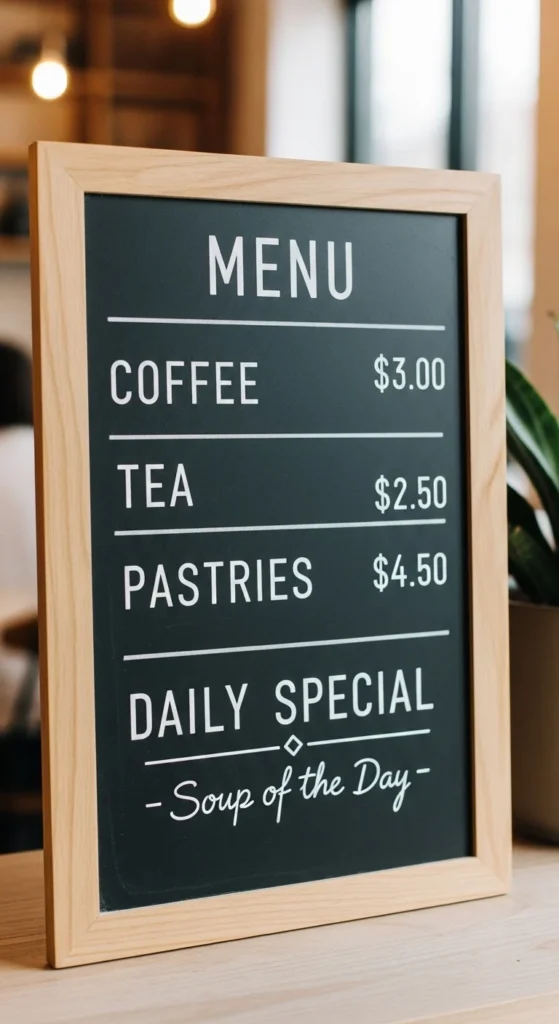
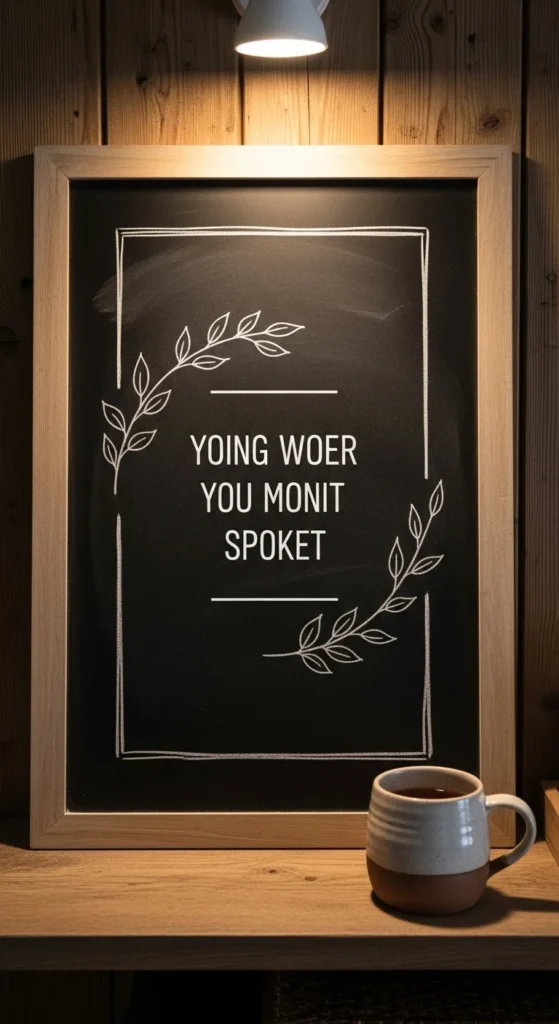
Use Dividers and Frames for Structure
Lines, borders, and frames do most of the visual work for you. They guide the eye and make everything feel intentional.
Simple elements to add:
- Straight divider lines
- Boxes around text
- Curved frames
- Corner details
These shapes are easy to draw and instantly elevate the design.
Add Easy Decorative Elements (No Drawing Needed)
You don’t need detailed illustrations. Small accents add personality without complexity.
Beginner-friendly decor ideas:
- Dots
- Arrows
- Simple leaves
- Curved lines
Repeat the same shape instead of mixing many styles. Consistency looks cleaner.
Work in Layers and Step Back Often
Don’t try to finish everything at once. Build your design slowly.
Helpful process:
- Light sketch or guide marks
- Main text first
- Decorative elements last
Step back every few minutes to check balance and spacing. This helps catch mistakes early.
Fix Mistakes the Easy Way
Mistakes happen—and they’re easy to fix.
Quick fixes:
- Use a damp cloth for small errors
- Clean edges with a cotton swab
- Let chalk marker dry fully before erasing nearby areas
Chalkboards are forgiving, which makes them perfect for experimenting.
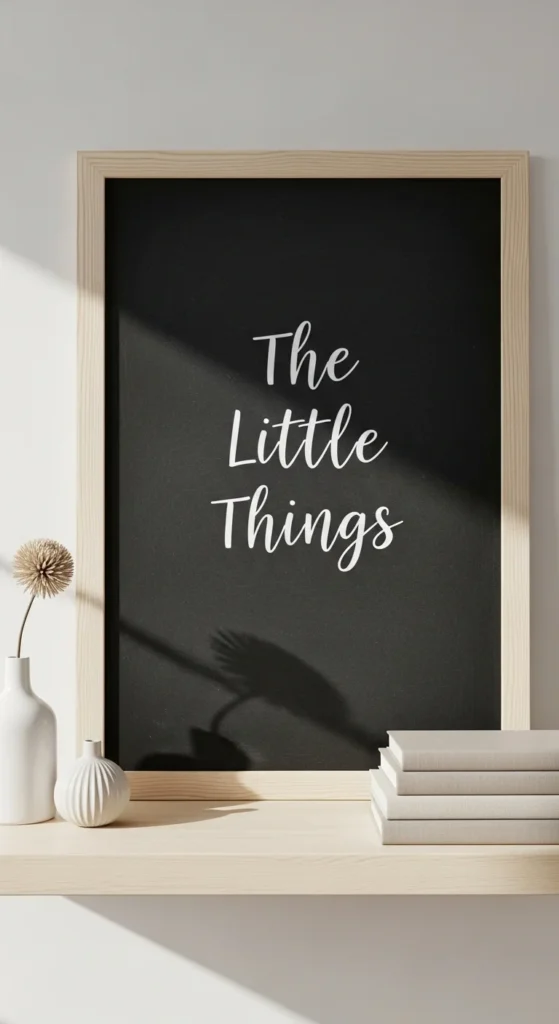
Keep the Design Minimal
Less really is more with chalkboard art. Overcrowding makes designs look busy and harder to read.
Aim for:
- One main message
- Plenty of empty space
- Simple accents instead of full illustrations
Minimal designs photograph better and feel more modern.
Use Chalkboard Art in Everyday Decor
Chalkboard art isn’t just for signs. It works in many spaces.
Use it:
- On shelves
- In entryways
- On kitchen counters
- As table decor
Because it’s erasable, you can refresh it whenever you want.
Final Takeaway
You don’t need drawing skills to create beautiful chalkboard art—just smart tools and simple techniques. By tracing designs, using chalk markers, and keeping layouts clean, you can create pieces that look thoughtful and stylish with zero stress.
Save this guide for later, grab a chalkboard, and start creating with confidence ✨

DiyVisual is a DIY ideas resource for makers of every level. Our small editorial team researches and curates easy, budget-friendly craft, home decor, and handmade gift projects — explained step by step so anyone can recreate them at home with simple materials.