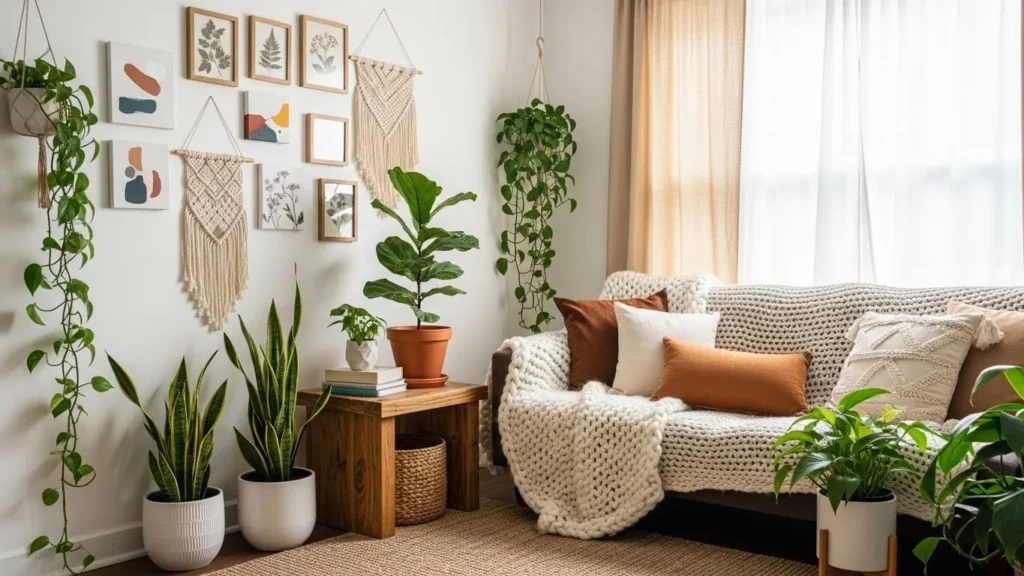
Decorating a room doesn’t have to feel overwhelming or expensive. You don’t need designer furniture or a full makeover to make a space feel warm and complete. With a few simple DIY ideas, you can refresh any room using what you already have or items that cost very little.
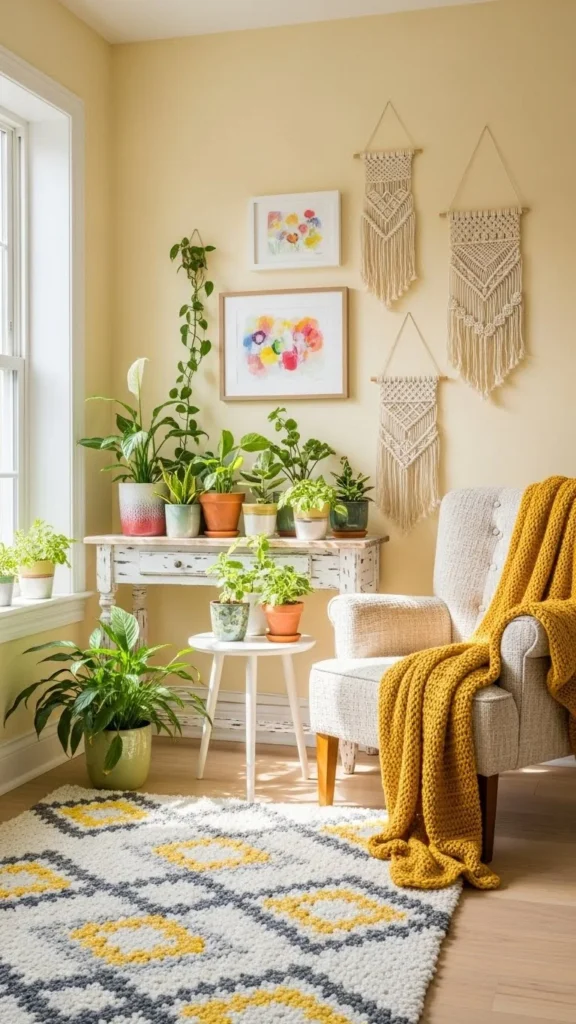
This guide focuses on easy, low-stress DIY ideas that help you decorate a room step by step—without special tools or advanced skills.
Start With One Area, Not the Whole Room
A common mistake is trying to decorate everything at once. This often leads to clutter or unfinished results.
Instead:
- Pick one focal area first
- Finish it completely
- Then move to the next spot
Good starting points:
- A blank wall
- A coffee table
- A corner near a window
Small wins build confidence and make decorating feel enjoyable instead of tiring.
Use What You Already Own in New Ways
DIY decorating starts with rethinking what’s already in your home.
Try this:
- Stack books to create height
- Turn trays into organizers
- Use bowls as decor holders
- Move decor between rooms
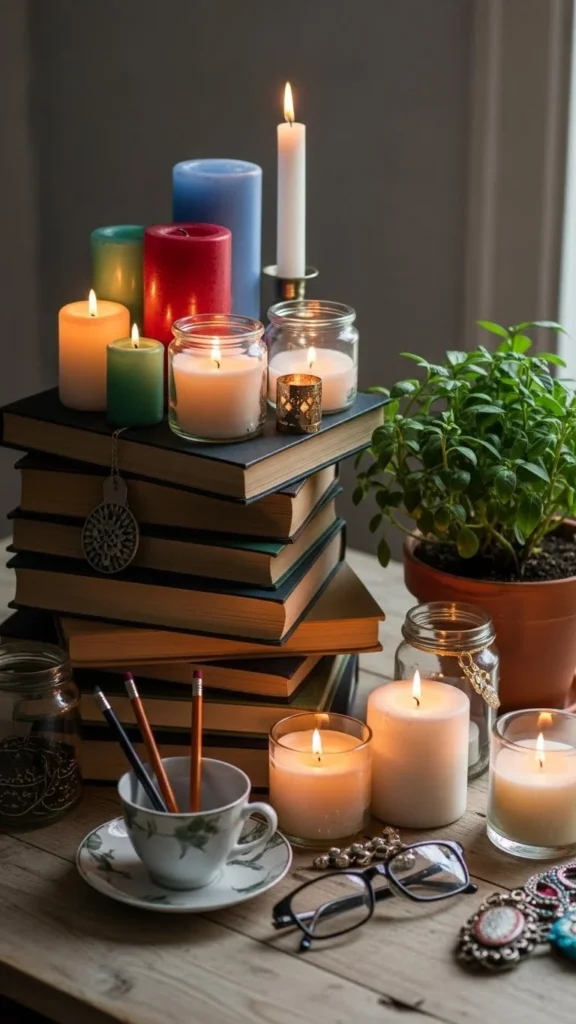
Even simple rearranging can make a space feel new.
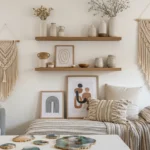
Add Easy Wall Decor Without Tools
Bare walls make rooms feel incomplete, but wall decor doesn’t have to be complicated.
Easy DIY wall ideas:
- Framed fabric or wallpaper samples
- Printed art placed in simple frames
- Paper shapes arranged in a pattern
- Lightweight shelves with removable strips
Stick to one color theme so the wall looks calm and intentional.
Bring in Texture for a Cozy Feel
Rooms look better when they have layers. Texture adds warmth without needing bold colors.
Simple texture ideas:
- Throw pillows made from different fabrics
- A folded blanket over a chair
- A woven basket for storage
- Curtains in soft, neutral fabric
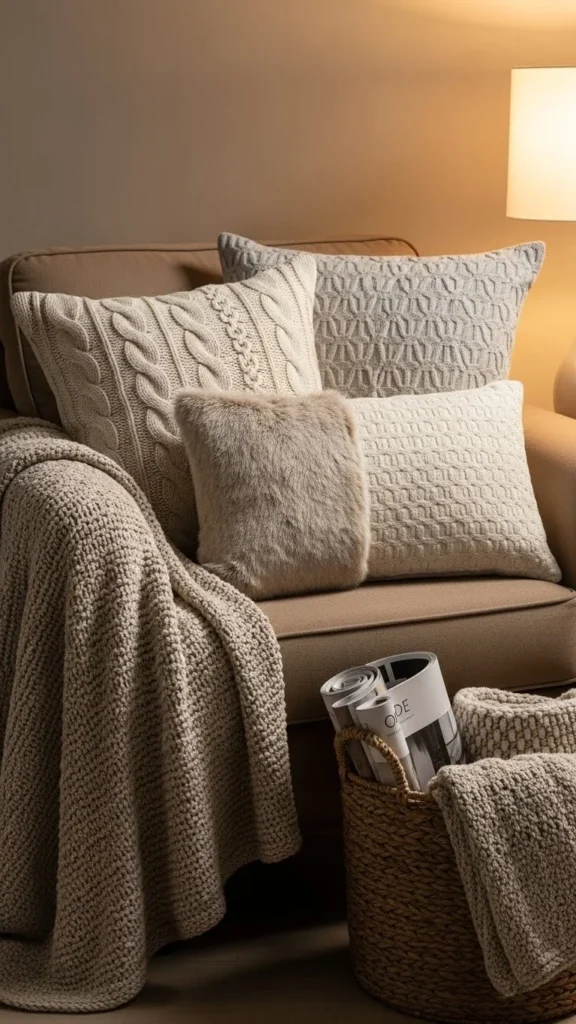
Texture makes even simple rooms feel inviting.
Use DIY Decor to Fill Empty Corners
Empty corners often get ignored, but they can become standout features.
Easy corner ideas:
- A floor plant or tall vase
- A small stool with decor on top
- A floor lamp with warm light
- A stacked basket setup
Corners don’t need much—just one clear purpose.
Keep Colors Simple and Repeated
DIY decor looks best when colors repeat across the room.
Choose:
- One main neutral
- One soft accent color
- One darker grounding tone
Repeat them in:
- Pillows
- Wall decor
- Small accessories
This creates a pulled-together look without effort.
Style Surfaces With Intention
Tables, shelves, and dressers should look styled, not crowded.
A simple styling formula:
- One tall item
- One medium item
- One small item
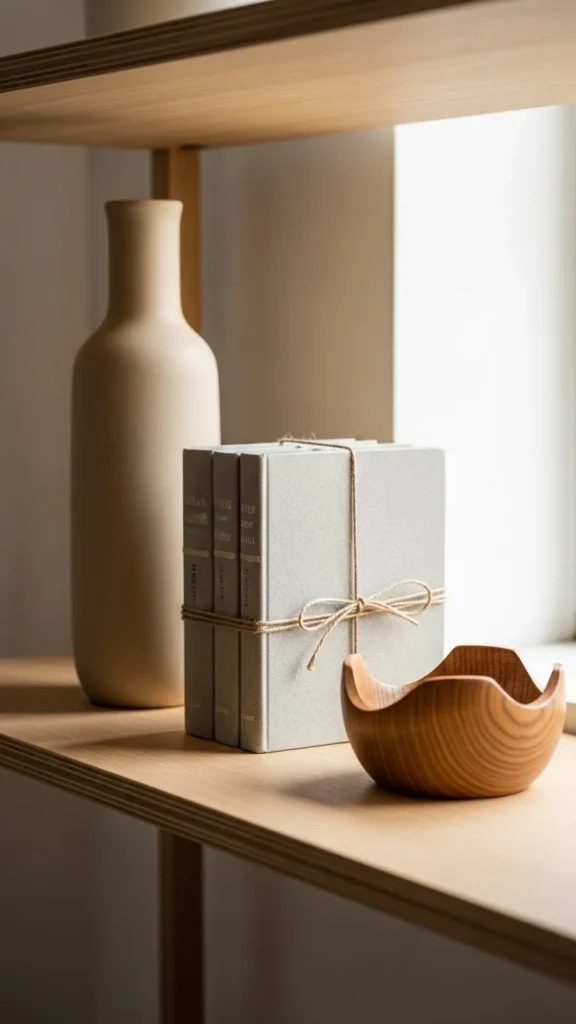
Leave space between items so the eye can rest.
Finish by Editing, Not Adding
Once everything is placed, step back.
Ask:
- Does anything feel unnecessary?
- Is the room easy to move through?
- Does it feel calm or busy?
Removing one item often improves the whole room.
Final Takeaway
Decorating a room with easy DIY ideas is about simplicity, balance, and patience. You don’t need to rush or buy more. Start small, reuse what you have, and focus on how the room feels, not how much is in it.