A good centerpiece quietly pulls everything together. It anchors the table, adds personality, and makes the whole space feel intentional—without stealing the spotlight. The best part? You don’t need special tools, expensive materials, or complicated steps. With a few easy DIY methods, you can create centerpieces that work for everyday meals and special occasions.
Let’s break this down into simple, repeatable ideas you can mix and match.
Start With a Solid Base
Every centerpiece needs a base. This is what keeps everything grounded and visually organized.
Easy base options:
- A wooden tray
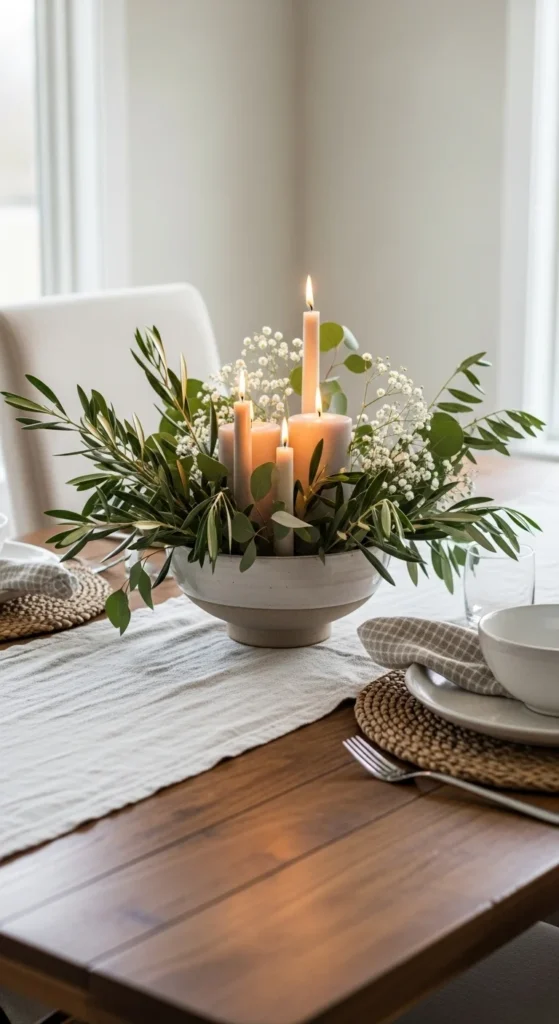
- A shallow bowl
- A simple platter
- A woven basket
Choose something neutral so it works for multiple occasions. The base helps your centerpiece feel styled instead of scattered.
Keep the Height Conversation-Friendly
One of the most common mistakes is making centerpieces too tall. You want something that looks good and lets people talk comfortably across the table.
A good rule:
- Keep items below eye level
- Use low vases or bowls
- Mix short and medium-height pieces
This keeps the table feeling open and welcoming.
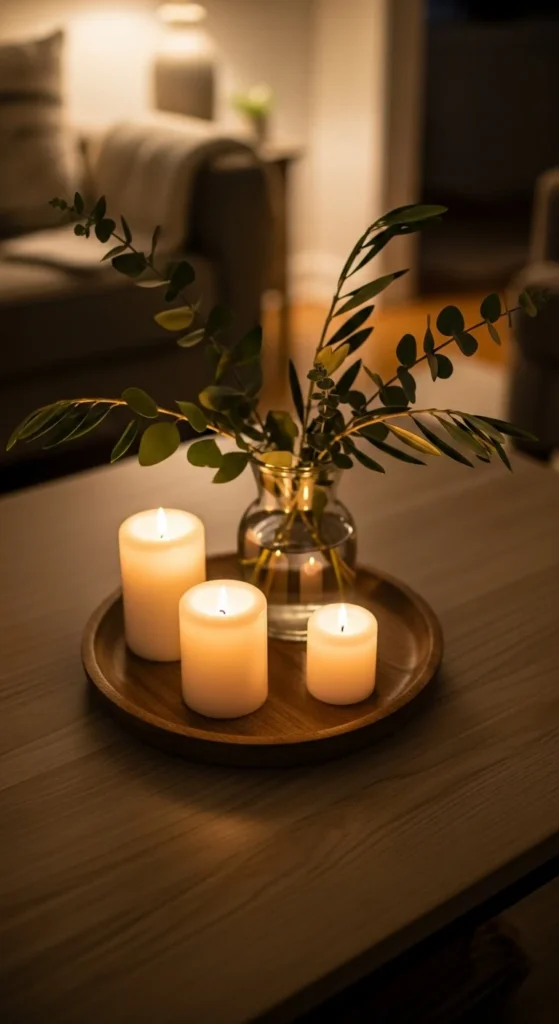
Use Grouping for Balance
Instead of one large item, group a few smaller pieces together. This adds interest without clutter.
Simple grouping ideas:
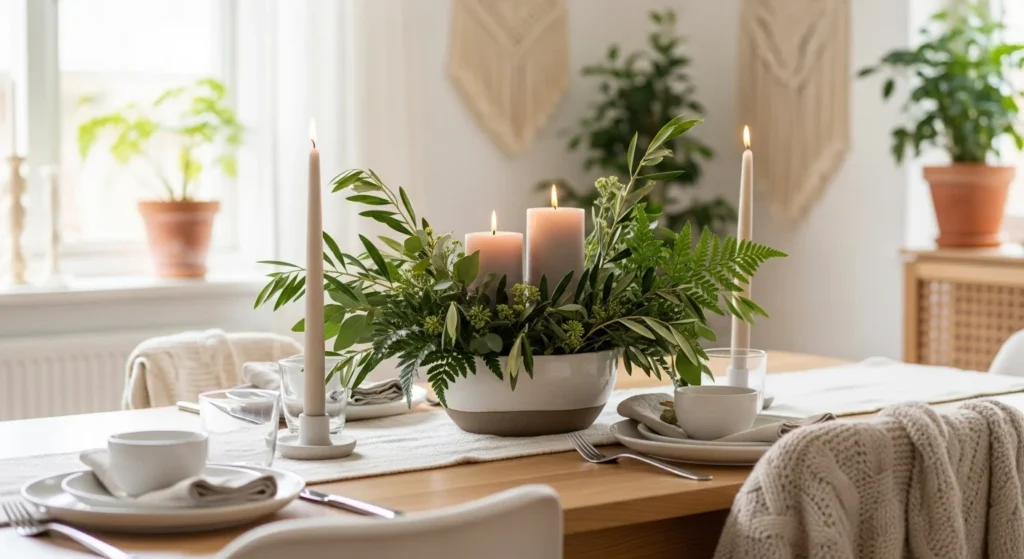
- Three candles in different sizes
- Two small vases and one decorative object
- One main item with two supporting pieces
Odd numbers usually look more natural and balanced, especially for DIY decor.
Add Natural Elements for Warmth
Natural textures instantly make centerpieces feel relaxed and timeless. They also work year-round.
Easy natural elements to use:
- Fresh or faux greenery
- Flowers in simple containers
- Dried stems or branches
- Seasonal foliage
Even one natural element can soften the entire look of the table.
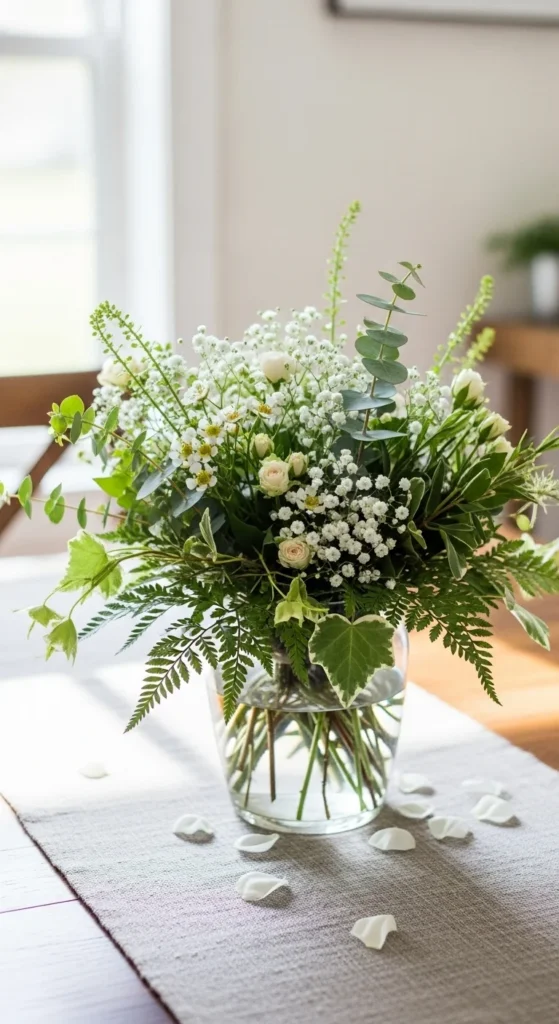
Repurpose What You Already Have
Great DIY centerpieces often come from items you already own. Repurposing saves money and adds character.
Try using:
- Jars or bottles as vases
- Bowls filled with decorative accents
- Stacked books as a base
- Trays from other rooms
When items are reused in new ways, they feel fresh without needing to buy anything new.
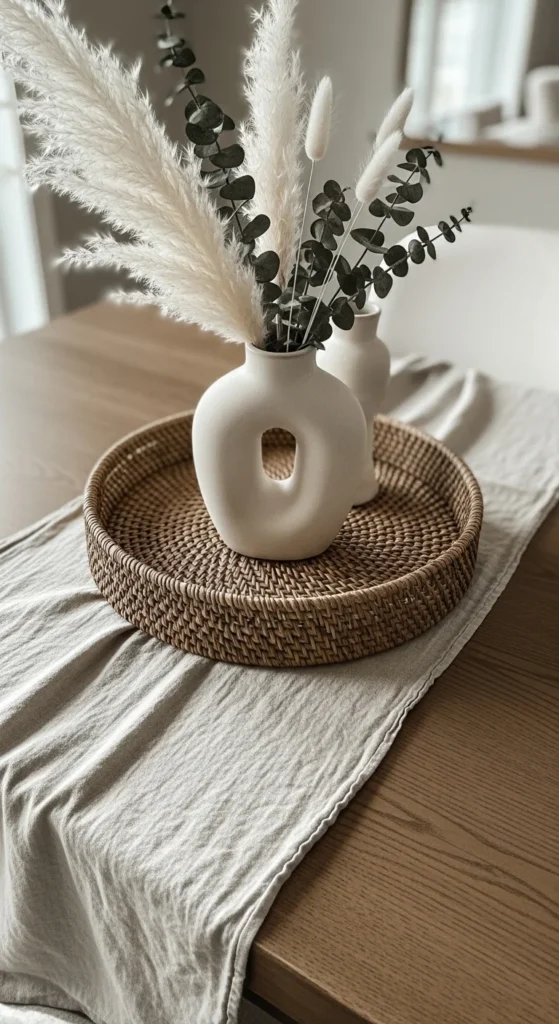
Layer Textures for a Styled Look
Texture is what takes a centerpiece from “okay” to “beautiful.”
Easy ways to add texture:
- Pair smooth ceramics with woven pieces
- Mix glass with wood
- Add fabric like linen runners underneath
Layering different materials keeps the centerpiece from feeling flat or boring.
Make It Easy to Adjust
The best DIY centerpieces are flexible. You should be able to tweak them without starting over.
How to keep it adaptable:
- Swap flowers or greenery
- Change candle holders
- Add or remove one item
- Adjust colors with small accents
This makes one centerpiece work for many occasions with minimal effort.
Avoid Overcrowding the Table
A centerpiece should enhance the table, not take it over. Leave space for plates, serving dishes, and movement.
Helpful tips:
- Keep decor centered
- Don’t fill the entire table length
- Use fewer items than you think you need
Less really does look better when it comes to centerpieces.

Final Takeaway
Creating centerpieces doesn’t have to be complicated or costly. With a simple base, a few grouped elements, and natural textures, you can make centerpieces that feel thoughtful and stylish for any occasion.
Save this guide for later, and next time you set the table, you’ll have an easy centerpiece ready to go ✨