Small spaces can feel tricky to decorate. Too much furniture makes them crowded, while too little can feel unfinished. The secret is not adding more, but adding smarter. With the right DIY ideas, even the smallest room can feel organized, stylish, and comfortable.
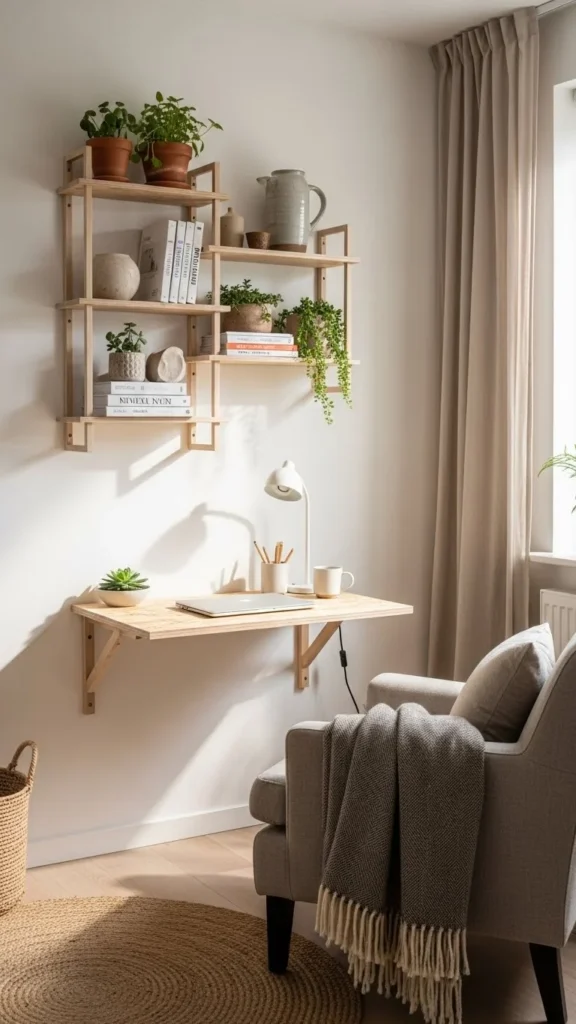
This guide shows you practical DIY ideas designed for small spaces, focusing on function, balance, and visual breathing room.
Think Vertical Before Adding Anything Else
When floor space is limited, walls become your best friend. Smart DIY decor often goes up, not out.
Vertical-friendly ideas:
- Floating shelves
- Wall-mounted hooks
- Hanging planters
- Tall, narrow wall art
Vertical elements draw the eye upward, making the room feel taller and more open.
DIY tip:
Install shelves slightly higher than eye level to keep the space feeling airy rather than boxed in.
Choose Multi-Use DIY Decor
In small spaces, decor works best when it does more than one job.
Great multi-use DIY ideas:
- Storage benches
- Decorative boxes that hide clutter
- Trays that organize and decorate
- Wall hooks that double as design features
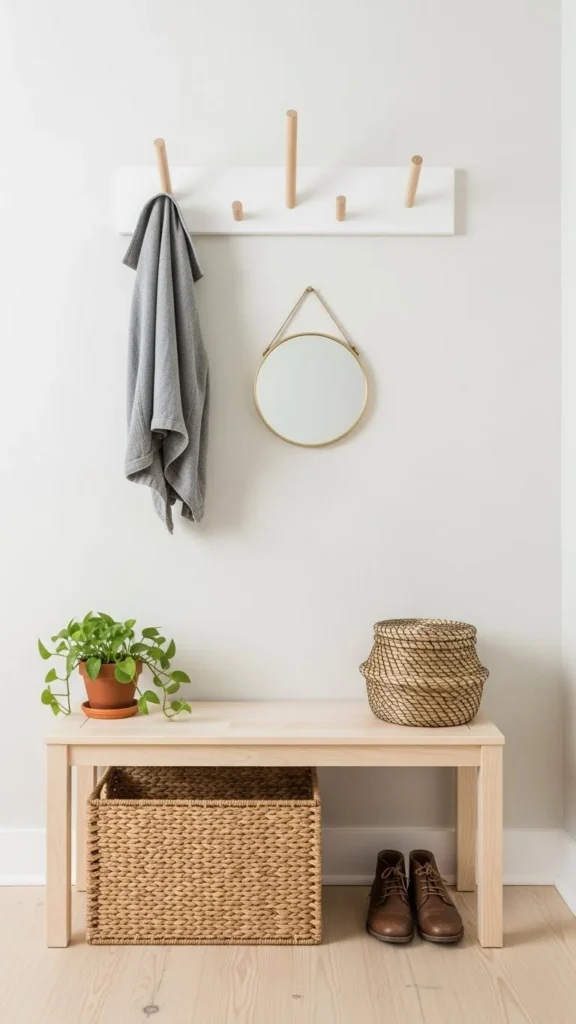
If an item can store, organize, and look good, it earns its place.
Use Light Colors to Open Up the Room
Color choice makes a huge difference in how small spaces feel.
Best colors for small spaces:
- White and off-white
- Soft beige
- Light gray
- Muted pastels
Light tones reflect natural light and make DIY decor feel less heavy.
Paint trick:
Painting DIY shelves and decor the same color as the wall helps them visually blend in instead of sticking out.
Go Bigger, Not Smaller, With Wall Decor
It sounds counterintuitive, but tiny decor often makes small rooms feel busier.
Instead of many small pieces:
- Use one larger wall art piece
- Create one clear focal point
- Group items tightly instead of spreading them out

One bold element feels calmer than five small ones competing for attention.
Use DIY Mirrors to Create Depth
Mirrors are one of the smartest tools for small-space decorating.
DIY mirror ideas:
- Framed mirrors using simple wood strips
- Mirror panels on closet doors
- Small mirrors grouped in a grid
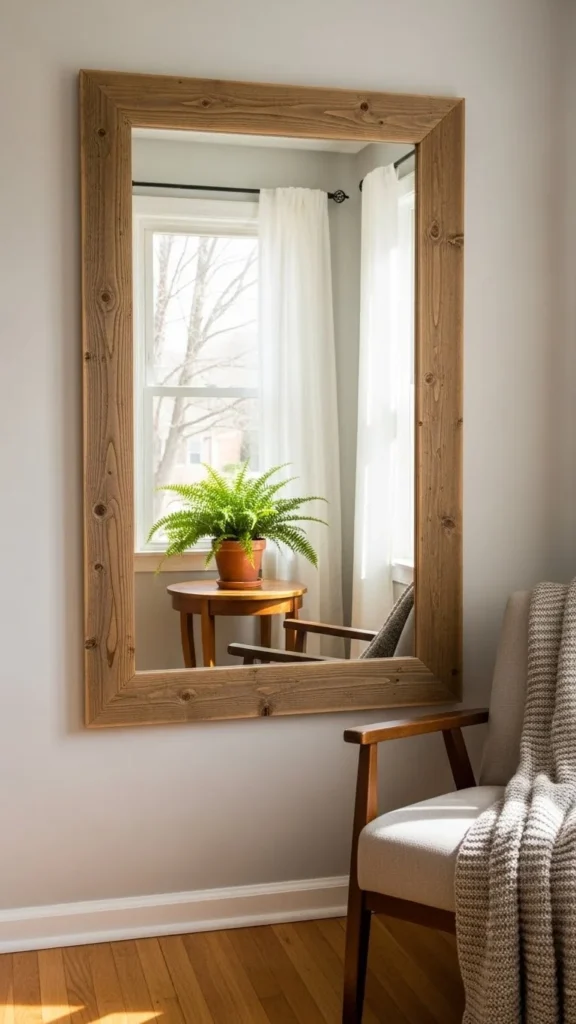
Mirrors reflect light and create the illusion of more space without adding bulk.
Keep Furniture Light and Raised
Heavy furniture sitting directly on the floor can make a room feel cramped.
Look for:
- Furniture with legs
- Slim silhouettes
- Open bases
You can DIY this by:
- Adding legs to low furniture
- Painting furniture a lighter color
- Removing bulky add-ons
Seeing more floor instantly makes a room feel larger.
Style With Fewer, Better Accessories
Small spaces benefit from restraint.
A simple styling formula:
- One functional item
- One decorative item
- One natural element
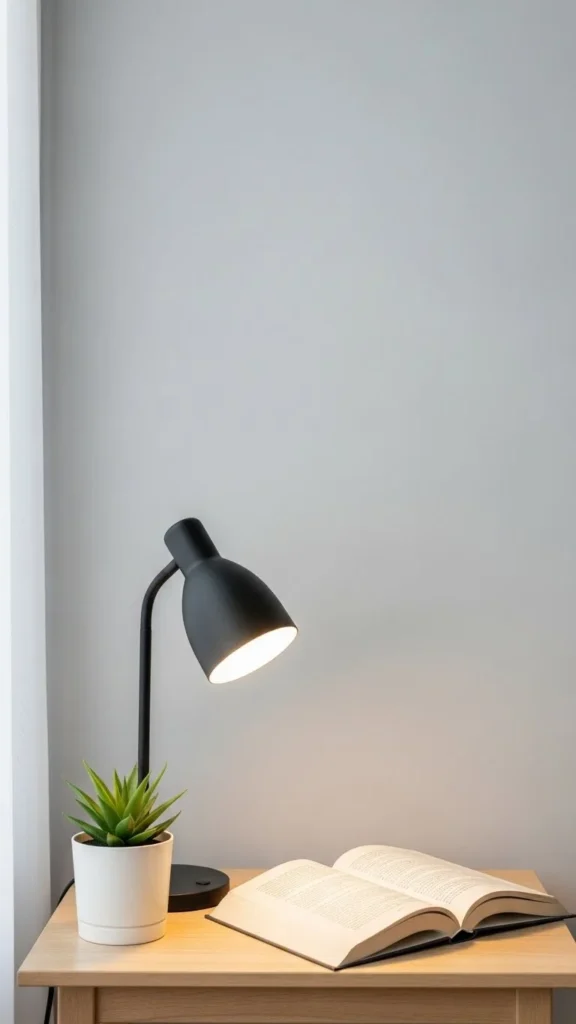
Leave space around items. Empty space is not wasted space—it’s what keeps the room comfortable.
Use Corners That Usually Get Ignored
Corners are often overlooked but incredibly useful in small rooms.
Smart corner ideas:
- Corner shelves
- A tall plant or floor lamp
- A small ladder-style shelf
- A compact desk or reading nook
Using corners efficiently frees up central space.
Keep DIY Decor Consistent
Consistency helps small spaces feel intentional instead of cluttered.
Repeat:
- The same color palette
- Similar materials
- Matching finishes
For example:
- Wood tones repeated across shelves and frames
- Neutral textiles used in multiple spots
- Black or brass accents used sparingly
Consistency reduces visual noise.
Edit Before You Add More
Before starting a new DIY project, remove one thing from the room.
Ask:
- Does this item serve a purpose?
- Does it fit the scale of the room?
- Does it match the overall style?
Often, removing clutter does more than adding decor.
Final Takeaway
Decorating small spaces with smart DIY ideas is about using space wisely, not filling it. Vertical storage, light colors, multi-use pieces, and intentional styling help small rooms feel open and livable.

DiyVisual is a DIY ideas resource for makers of every level. Our small editorial team researches and curates easy, budget-friendly craft, home decor, and handmade gift projects — explained step by step so anyone can recreate them at home with simple materials.