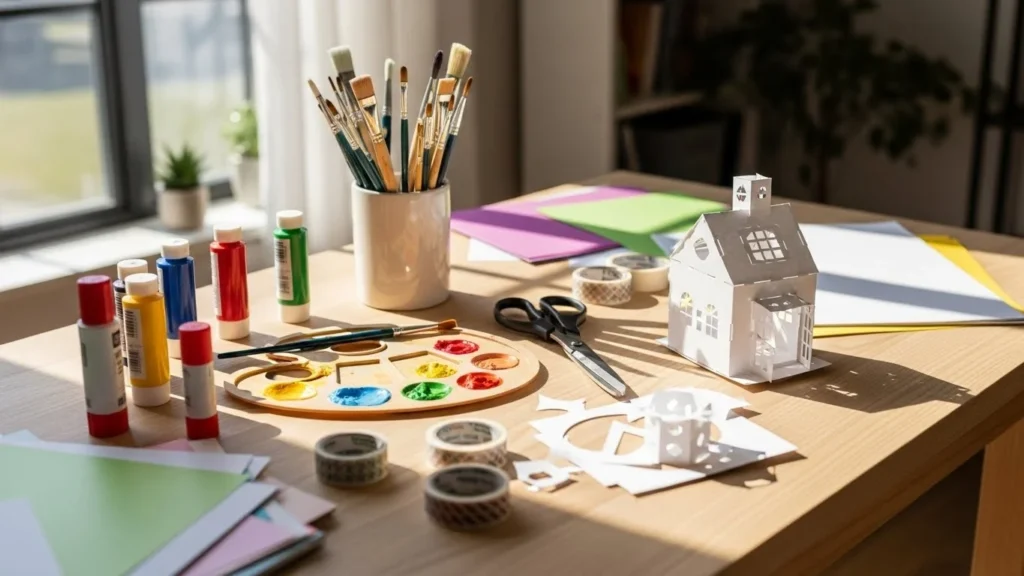
Starting a DIY project can feel intimidating when you’ve never done one before. You might worry about making mistakes, wasting money, or ending up with something you don’t like. The truth is, everyone who enjoys DIY once felt the same way. The key is starting small, choosing the right projects, and letting yourself learn as you go.
This guide breaks down simple, realistic steps to help beginners start DIY projects with confidence and actually enjoy the process.
Start With Projects That Feel Manageable
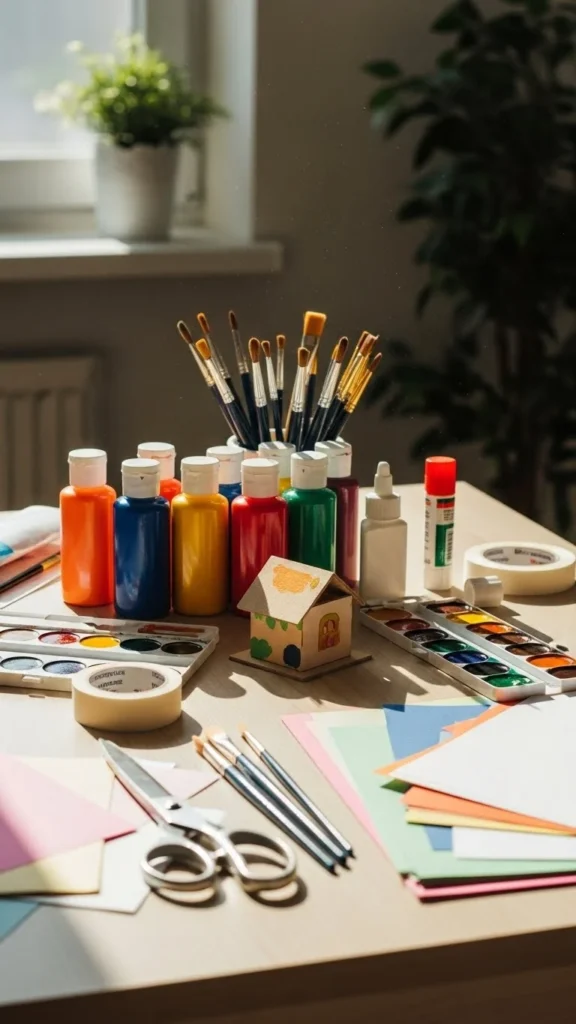
The biggest mistake beginners make is starting too big. Large projects can feel overwhelming and lead to frustration.
Instead, choose projects that:
- Can be finished in one day
- Use basic tools
- Don’t require advanced skills
Good beginner ideas:
- Painted jars or containers
- Simple wall art
- Small decor items
- Basic organizers
Completing a small project builds confidence and makes the next one feel easier.
Gather Only the Basics
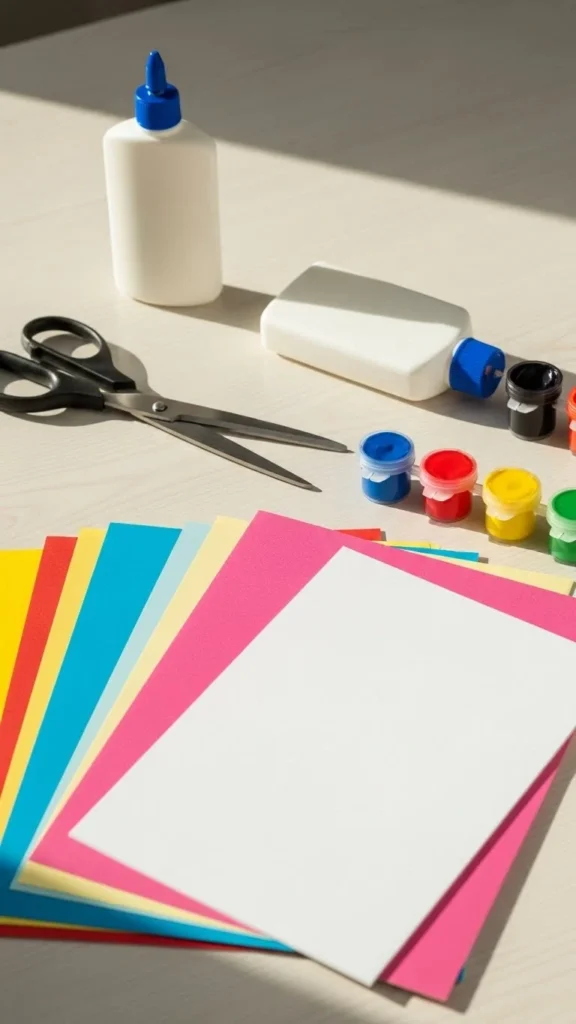
You don’t need a fully stocked craft room to begin. Many DIY projects use tools you already have.
Start with:
- Scissors
- Glue or tape
- Paint and one brush
- Paper or cardboard
- A clean workspace
Keeping supplies simple removes pressure and makes it easier to get started right away.
Follow One Clear Idea at a Time
Beginners often get stuck by trying to combine too many ideas. Simplicity helps you finish.
Before you start, decide:
- What the finished project will be
- Where it will be used
- How big it should be
Avoid changing the plan mid-project. Sticking to one idea helps prevent confusion and unfinished work.
Break the Project Into Small Steps
DIY feels easier when you focus on one step at a time.
Think in stages:
- Prepare the surface
- Add color or shape
- Let it dry
- Add final touches
Completing each step gives a sense of progress and keeps motivation high.

Accept That Imperfect Is Normal
DIY projects don’t need to look perfect to be successful. Small flaws are part of learning.
Remind yourself:
- Crooked lines happen
- Paint drips can be fixed
- Mistakes don’t ruin the project
Often, imperfections add character and make the piece feel handmade rather than mass-produced.
Set a Time Limit Before You Begin
Open-ended projects are easier to abandon. Setting a time frame helps you stay focused.
Try this:
- Choose a project that fits 30–60 minutes
- Work until the time ends
- Stop and evaluate
Many beginner projects look finished sooner than expected.
Finish the Project Before Starting Another
It’s tempting to jump between ideas, but unfinished projects pile up fast.
Make it a habit to:
- Complete one project
- Clean up your space
- Display or use the finished piece
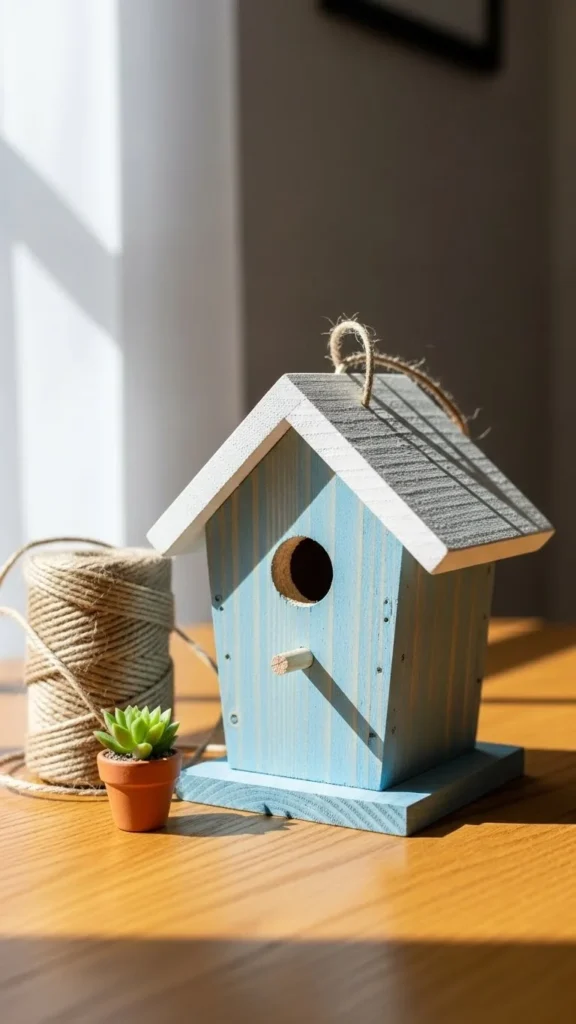
Seeing finished work builds motivation to start again.
Learn by Doing, Not Overthinking
You don’t need to watch dozens of tutorials or plan every detail. Learning happens during the process.
Each project teaches:
- How materials behave
- What tools you prefer
- What styles you enjoy
Confidence grows through action, not preparation alone.
Final Takeaway
Starting DIY projects as a beginner is about keeping things simple, realistic, and enjoyable. Small projects, basic supplies, and a step-by-step approach make all the difference.

DiyVisual is a DIY ideas resource for makers of every level. Our small editorial team researches and curates easy, budget-friendly craft, home decor, and handmade gift projects — explained step by step so anyone can recreate them at home with simple materials.