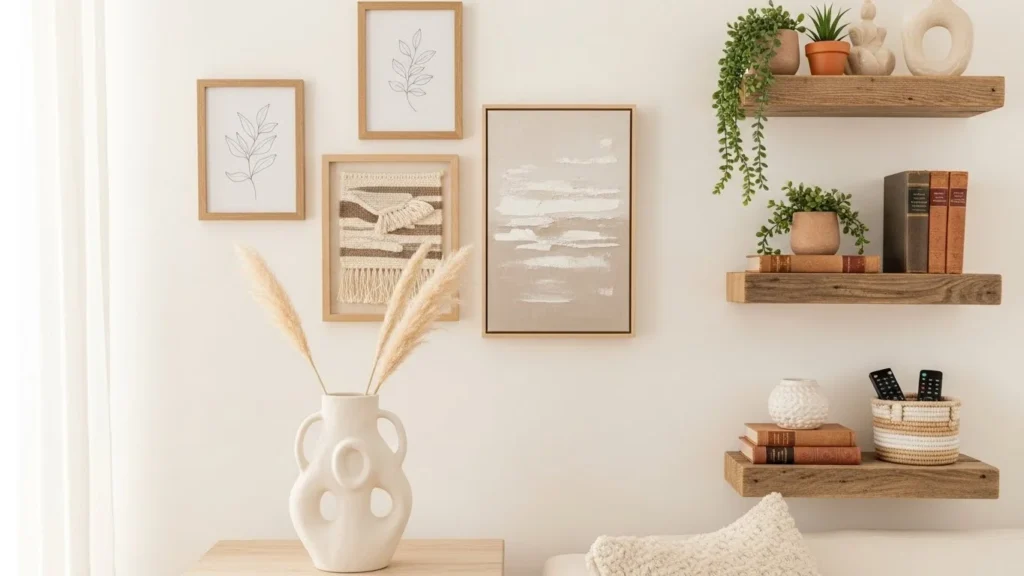
You don’t need a big budget or professional tools to create home decor that looks polished and intentional. The secret is not what you buy, but how you use it. With a few smart techniques, simple materials can look like they came straight from a boutique shelf.
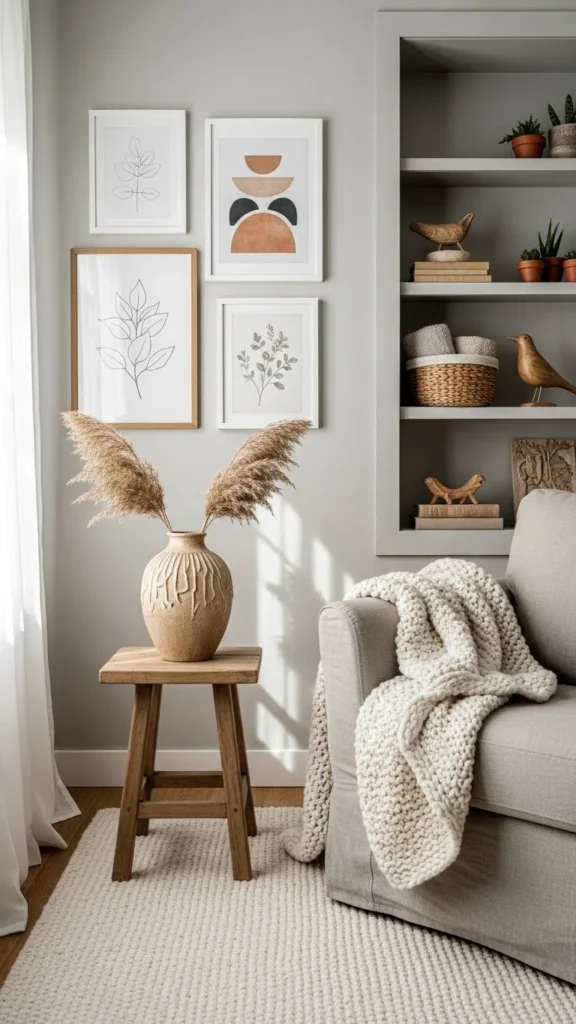
This guide breaks down practical ways to make DIY decor look clean, cohesive, and high-end—without complicated steps or expensive supplies.
Start With a Clear Style Direction
Before you pick up paint or glue, decide what look you’re aiming for. Store-bought decor always follows a clear style, and DIY projects should too.
Ask yourself:
- Do I want modern, rustic, minimalist, or cozy?
- Am I using warm tones or cool tones?
- Will this piece blend with what I already own?
Stick to one style per project. Mixing too many ideas is what makes DIY look messy.
Quick tip:
Browse one or two Pinterest boards for inspiration, not ten. Too many references lead to cluttered results.
Use Fewer Colors (This Is Huge)
High-end decor rarely uses a rainbow of colors. Most store pieces rely on two or three tones max.
Good color combinations:
- White, beige, and wood
- Black, cream, and gray
- Soft green, neutral linen, and brass
When painting or crafting:
- Choose matte or satin finishes
- Avoid overly glossy paints unless the item is meant to shine
- Test colors on scrap material first

Limiting colors instantly makes handmade items feel intentional and calm.
Upgrade Cheap Materials With Simple Tricks
Affordable supplies can still look refined with a few upgrades.
Try these ideas:
- Sand rough edges before painting
- Use wood filler on gaps or holes
- Wrap glass jars with linen, rope, or thin wood veneer
- Spray-paint mismatched items in the same color
Even plastic items can look elevated once they share the same finish.
DIY example:
Turn a basic dollar-store tray into a statement piece by sanding lightly, painting it matte black, and adding small handles.
Focus on Clean Lines and Simple Shapes
Store-bought decor relies on shape more than decoration. Clean silhouettes feel intentional.
Choose:
- Straight edges
- Rounded forms
- Symmetrical layouts
Avoid:
- Over-embellishing
- Too many textures in one piece
- Extra beads, glitter, or heavy patterns
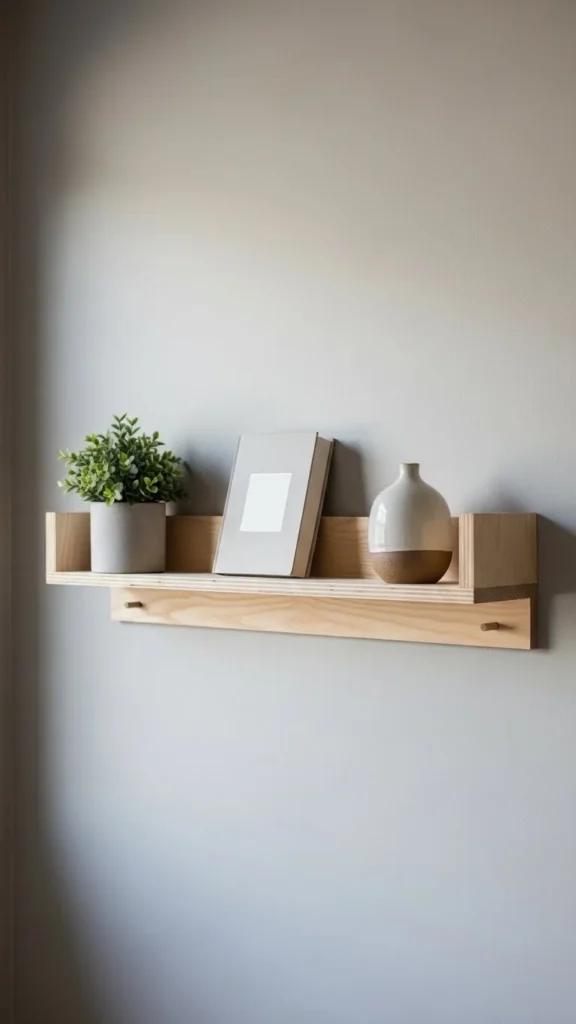
When in doubt, remove one element. Less usually looks better.
Pay Attention to Scale and Proportion
One common DIY mistake is making decor too small or poorly sized for the space.
Use this guide:
- Large walls need larger art or grouped pieces
- Coffee tables look better with one bold object than many tiny ones
- Shelves should have varied heights, not items all the same size
Easy fix:
If something looks underwhelming, place it on a book stack or tray to add height.
Styling Is Half the Look
Even well-made DIY decor can look unfinished without proper styling.
Think like a store display:
- Group items in odd numbers (3 works well)
- Mix heights: tall, medium, small
- Leave breathing room between objects
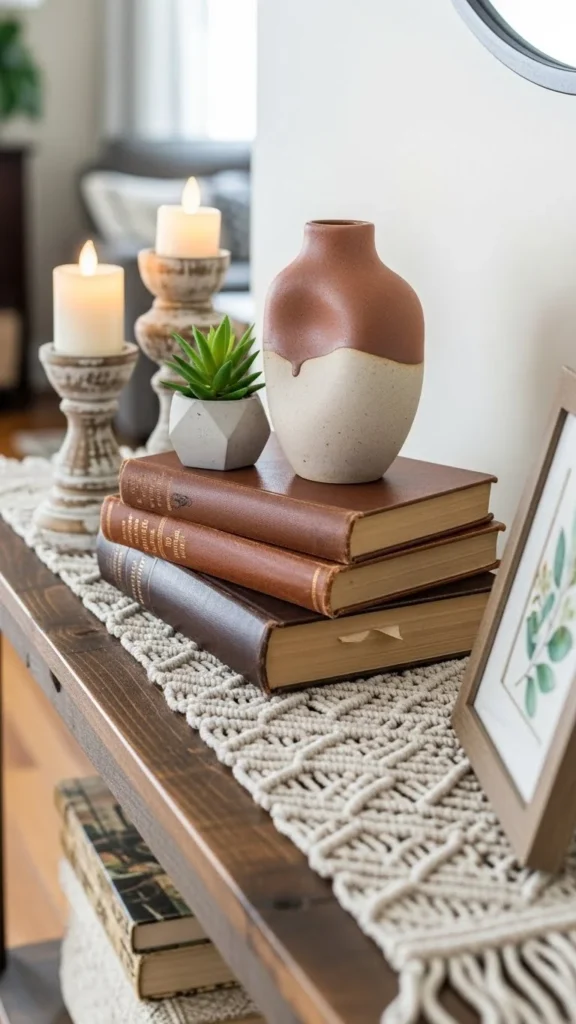
Walk away, then come back and adjust. Small shifts make a big difference.
Finish With Details That Matter
The final step is what separates handmade from store-ready.
Check these details:
- Are brush strokes visible?
- Is glue showing?
- Are edges smooth?
Fixing these takes minutes but changes everything.
Pro tip:
Use painter’s tape for crisp lines and wipe excess glue immediately with a damp cloth.
Final Takeaway
DIY home decor doesn’t need to look crafty to be personal. By keeping colors simple, shapes clean, and finishes thoughtful, your handmade pieces can feel just as polished as store-bought ones—sometimes even better.

DiyVisual is a DIY ideas resource for makers of every level. Our small editorial team researches and curates easy, budget-friendly craft, home decor, and handmade gift projects — explained step by step so anyone can recreate them at home with simple materials.